
 EN


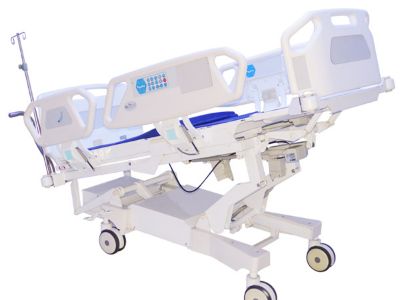
Understanding the importance of quality manufacturing in hospital beds is critical for healthcare facilities looking to ensure patient safety and comfort. Quality hospital beds are not just about aesthetics; they are about durable construction, reliable performance, and adherence to industry standards. This article will explore why quality manufacturing matters in Youngcoln Medical hospital bed fully electric, addressing buyer concerns such as specifications, setup, cost factors, and common problems with hospital beds.
Understanding Quality Standards for Hospital Bed Manufacturing
Quality standards in hospital bed manufacturing are designed to ensure safety, functionality, and durability. Regulatory bodies, such as the FDA, set stringent guidelines that manufacturers must adhere to for their products to be certified for medical use. In the case of Jiangsu Youngcoln Medical, our products are CE-certified and registered with the FDA, which speaks to our commitment to adhering to these vital quality standards.
Key components to consider include the materials used, the manufacturing process, and the quality control protocols in place. High-quality materials, such as durable steel frames and high-density foam mattresses, not only enhance the longevity of hospital beds but also ensure they can withstand the rigors of a healthcare environment. Additionally, thorough quality control processes, including inspections during various manufacturing stages, help identify and rectify defects before products reach the market. When sourcing hospital beds, buyers should verify the manufacturer's compliance with relevant standards, ensuring that the beds will meet their facility's needs.
Key Specifications to Consider When Sourcing Hospital Beds
When sourcing hospital beds, several specifications are crucial for ensuring that the beds fit the intended application. First, assess the bed's weight capacity. Different beds are designed to support varying weights, and selecting one that meets the needs of your patient population is essential.
Second, consider the dimensions of the bed. Hospital beds come in standard sizes, but the specific layout of your facility may necessitate custom dimensions. For instance, some facilities may require wider beds for bariatric patients or those with mobility challenges.
Another important specification is the adjustment capabilities of the bed. Features such as electric height adjustment, head and foot positioning, and tilt functionality can greatly enhance patient comfort and accessibility. It's also vital to consider the ease of movement, including the presence of wheels for transport and the stability of locking mechanisms. Lastly, inquire about the materials used in the bed's construction. High-quality materials not only affect durability but can also influence ease of cleaning and maintenance, which are critical in a hospital setting.
Ensuring Proper Setup
Proper setup of hospital beds is vital for ensuring optimal functionality and safety. When your beds arrive, inspect them thoroughly for any visible damage or defects. This step is crucial as it allows for the identification of any issues before the bed is put into use.
Once inspected, ensure that the installation aligns with the manufacturer's guidelines. This includes correctly positioning the bed in relation to other equipment and ensuring that all electrical connections are secure and functioning properly. Training staff on the proper use and features of the beds is equally important. Familiarity with the Youngcoln Medical beds hospital adjustable beds functionalities, such as height adjustments and safety features, can significantly impact patient care and safety.
Common Problems with Hospital Beds and Effective Solutions
Despite their importance, hospital beds can encounter various issues over time. Common problems include electrical failures in adjustable beds, mechanical wear in moving parts, and mattress degradation.
Electrical issues can often be traced back to faulty connections or power supply problems. Regular maintenance checks can help identify these issues early. Additionally, having a backup plan, such as manual operation capabilities, can ensure that patient care is not compromised in the event of an electrical failure.
Mechanical wear is often due to the frequent adjustments these beds undergo. To mitigate this, facilities should establish a regular maintenance schedule, focusing on key components such as wheels, locking mechanisms, and adjustment controls. Mattress degradation can affect patient comfort and hygiene. It's advisable to monitor the condition of mattresses and replace them according to the manufacturer's recommendations to ensure they provide adequate support and sanitation.
Cost Factors to Consider When Purchasing Hospital Beds in Bulk
When purchasing hospital beds in bulk, several cost factors come into play. First, consider the initial purchase price, which varies based on specifications, features, and manufacturer. However, the cheapest option may not always be the best choice. Evaluate the total cost of ownership, which includes maintenance, longevity, and replacement costs over time.
Shipping and handling costs can also significantly impact the overall budget, especially for bulk orders. It's essential to discuss these costs upfront with the manufacturer to avoid unexpected expenses.
Buyers should also consider the potential for customization. Custom features may increase the upfront cost but could offer long-term savings through improved patient care and reduced maintenance needs.
Lastly, inquire about warranties and after-sales service. A robust warranty can protect your investment and provide peace of mind, knowing that the manufacturer stands behind their Youngcoln Medical automatic hospital bed quality. By understanding these factors, healthcare facilities can make informed decisions that align with their budget and patient care objectives.