
 EN


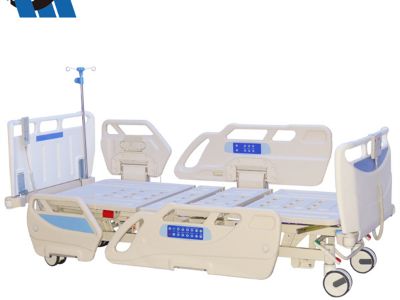
Choosing the right type of medical bed for healthcare facilities is crucial for ensuring patient comfort and caregiver efficiency. This guide compares electric medical beds and manual beds to help healthcare providers make informed purchasing decisions. Key concerns for buyers typically include functionality, ease of use, maintenance requirements, and overall value. We will explore the differences between electric and manual beds, what to consider when sourcing electric medical beds, their specifications, installation guidance, and the optimal scenarios for using electric beds in healthcare settings
How to Choose Between Electric and Manual Beds for Healthcare Facilities
When deciding between electric and manual electric medical beds for home, consider the unique needs of your facility. Electric beds offer the convenience of adjustable positions at the touch of a button, facilitating easier patient transfers and comfort adjustments. These beds are particularly beneficial in settings like intensive care units, where quick adjustments may be necessary. On the other hand, manual beds require caregivers to adjust the bed's height and position manually, which may be less efficient in high-demand situations
One crucial aspect to evaluate is the caregiver's workload. Electric beds can reduce strain on staff, as they require less physical effort to adjust, which can lead to improved staff satisfaction and reduced risk of work-related injuries. However, manual beds might be more cost-effective upfront, making them a suitable choice for facilities with budget constraints. Ultimately, the choice should align with the facility's operational demands, budget, and patient care philosophy
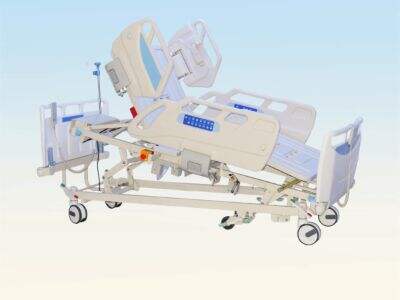
Sourcing Electric Medical Beds for Your Projects
When sourcing electric medical beds, it’s essential to partner with a reliable manufacturer who understands the specific needs of healthcare environments. Start by evaluating potential suppliers based on several factors: product quality, compliance with medical standards, and after-sales support. Jiangsu Youngcoln Medical, for instance, offers CE-certified products and a three-year guarantee, ensuring that your investment is protected
Requesting detailed product specifications is vital. Ask for information about the materials used, the bed's weight capacity, and the range of adjustments available. Additionally, consider the supplier's ability to provide customization options to meet specific facility requirements. This ensures that the beds not only fit well within the designated spaces but also accommodate the diverse needs of patients
What to Look for in Electric Medical Beds
When evaluating electric medical beds for rent, focus on several key specifications
Adjustability: Look for beds that offer multiple adjustment options, including height, head, and foot elevation. This flexibility enhances patient comfort and facilitates easier access for caregivers
Weight Capacity: Ensure that the bed can support the maximum patient weight expected in your facility. Most electric medical beds support weights between 300 to 500 pounds, but confirm this with the manufacturer
Power Source: Consider whether the bed can operate on battery power in case of an outage. This feature is essential for maintaining functionality during emergencies
Durability and Materials: The materials used in the construction of the bed should be easy to clean and resistant to wear and tear. Look for beds made from high-quality, medical-grade materials
Safety Features: Ensure that the bed has integrated safety features, such as locking wheels and side rails, to prevent patient falls and enhance overall safety
User-Friendly Controls: The bed's control panel should be intuitive, allowing both patients and caregivers to operate it easily
By focusing on these specifications, healthcare facilities can select electric medical beds that provide optimal performance and reliability
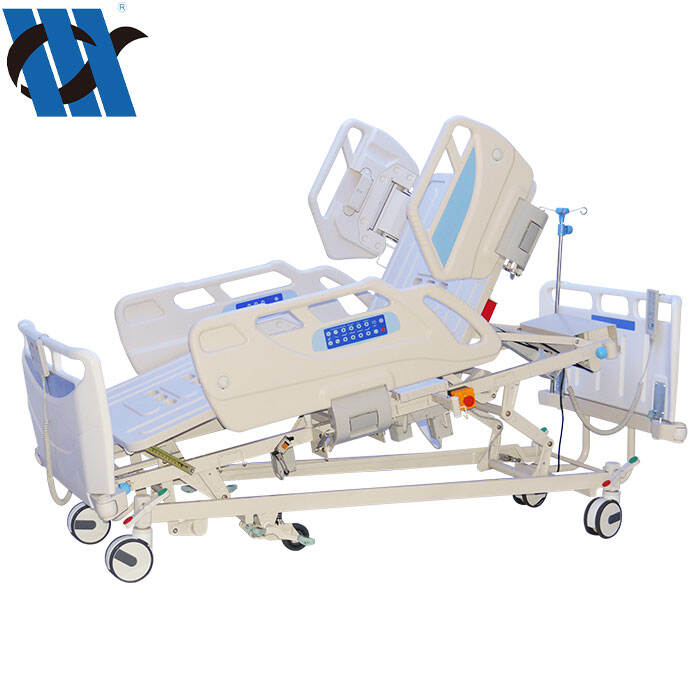
Installation Guidance for Electric vs. Manual Medical Beds
The installation of electric medical beds can differ significantly from manual beds. Electric beds typically require a power source for operation, so ensure that the installation site has access to electrical outlets. It's advisable to consult with the manufacturer or a qualified technician to ensure proper setup, as incorrect installation can lead to operational issues or safety hazards
For manual beds, the installation process is generally more straightforward, often requiring only assembly and positioning. However, it's still important to verify that the bed's height and orientation are suitable for the intended space and use. Make sure to follow any specific guidelines provided by the manufacturer to ensure compliance with healthcare regulations
For both types of beds, routine checks after installation are advisable to ensure that all mechanical parts are functioning correctly and that any electronic systems are operational
When to Use Electric Medical Beds in Healthcare
Electric medical beds for rent are ideal for various healthcare environments, particularly where patient mobility and comfort are priorities. In settings such as hospitals, nursing homes, and rehabilitation centers, electric beds facilitate more efficient care by allowing quick adjustments for patient positioning, which can be critical for comfort, recovery, and medical procedures
Additionally, electric beds are advantageous in long-term care facilities, where residents may require frequent adjustments due to changing medical conditions. Their ease of use reduces the physical strain on caregivers, making them a favorable option for facilities looking to enhance both patient and staff satisfaction
In contrast, manual beds may be more suitable for facilities with limited budgets or those that do not frequently require bed adjustments. These beds can still provide adequate care for patients but may require more effort from staff when handling patient needs
The choice between electric medical beds and manual beds should be guided by the specific requirements of your healthcare facility, taking into account factors such as patient needs, staff workload, and budget considerations. By understanding the advantages and applications of each type, you can make an informed decision that supports effective patient care and operational efficiency