
 EN


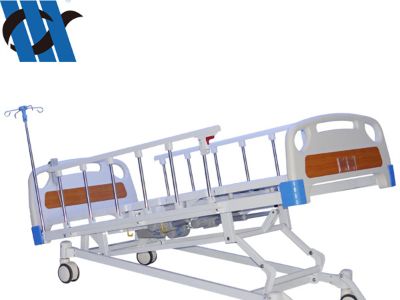
Electric hospital beds are designed to enhance the comfort of patients while significantly improving nursing efficiency in healthcare facilities. The incorporation of electric mechanisms allows for easy adjustments, making it simpler for caregivers to attend to patients' needs. With the growing demands on healthcare providers to deliver higher standards of care with limited resources, understanding how electric hospital bed improve nursing efficiency is critical for purchasing managers, hospital administrators, and healthcare distributors. We will explore key specifications, features, cost factors, installation guidance, and the overall benefits of high-quality electric hospital beds in patient care.
Key Specifications to Consider When Choosing Electric Hospital Beds
When selecting electric hospital beds, several specifications are critical to ensuring optimal performance and longevity. Key specifications include:
Weight Capacity: Most electric hospital beds have weight limits ranging from 350 to 600 pounds. Knowing the maximum weight capacity is essential for maintaining safety and durability.
Dimensions: The size of the bed should align with standard room dimensions and patient comfort. Common mattress sizes include twin and full, but custom sizes may be required for specific applications.
Adjustable Features: Look for beds that offer adjustable head and foot sections, as well as height adjustments. These features enhance patient comfort and facilitate easier access for nursing staff.
Material Quality: Durable materials that can withstand frequent cleaning and disinfecting are vital. Common materials include high-grade steel and durable plastics, which contribute to the bed's overall robustness.
Electrical Components: Check the specifications of the electrical system, including the power supply requirements and the quality of the motor used for adjustments. A reliable motor ensures smooth adjustments and decreases the likelihood of mechanical failure.
By confirming these specifications with the manufacturer, buyers can ensure they select beds that meet their facility’s requirements and improve operational efficiency.
Features That Boost Nursing Productivity
Electric hospital beds come equipped with several features that enhance nursing productivity, significantly impacting the efficiency of healthcare facilities:
One-Touch Controls: Many electric beds feature intuitive control panels that allow nurses to adjust the automatic hospital bed position with minimal effort, reducing physical strain and improving workflow.
Integrated Safety Features: Safety rails, locking wheels, and anti-entrapment mechanisms help ensure patients remain secure while allowing nurses to move freely around the bed, facilitating faster care.
Easy-to-Clean Surfaces: Beds designed with antimicrobial and easy-to-clean surfaces minimize infection risks and reduce time spent on maintenance, allowing nurses to focus on patient care.
Compatibility with Accessories: Many electric beds are compatible with various accessories, such as IV poles, patient lifts, and over-bed tables, which can streamline processes and enhance patient comfort.
These features not only improve the patient experience but also contribute to a more efficient working environment for nurses, allowing for better time management and care delivery.
Understanding the Cost Factors of Electric Hospital Beds for Distributors
Pricing for electric hospital beds varies based on several factors, which distributors should consider:
Quality and Materials: Higher-quality beds made from durable materials typically command higher prices. However, investing in quality can reduce long-term costs associated with replacements and repairs.
Customization Options: Custom features, such as specialized mattresses or specific dimensions, can increase costs. Distributors should evaluate whether these customizations align with market demand.
Volume Discounts: Purchasing in bulk can lead to significant cost savings. Distributors should inquire about minimum order quantities (MOQ) to maximize their investment.
Warranty and Service Agreements: Beds with extensive warranties and reliable after-sales service often come at a premium, but they can provide peace of mind and reduce future expenses related to maintenance.
By understanding these cost factors, distributors can make informed purchasing decisions that benefit their operations and ultimately their clients.
Installation Guidance for Electric Hospital Beds in Healthcare Facilities
Proper installation of electric hospital beds is crucial to ensuring their functionality and safety. Here are essential guidelines for healthcare facilities:
Site Preparation: Ensure the installation area is clean, dry, and free from obstructions. The room should have adequate electrical outlets, preferably grounded, to support the bed's power needs.
Bed Assembly: Follow the manufacturer’s assembly instructions meticulously. Typically, this includes attaching the head and foot sections, securing the frame, and connecting the electrical components.
Functional Testing: After assembly, conduct thorough testing of all electrical functions. Check the motor operation for height and position adjustments, and ensure that all safety features are operational.
Staff Training: Provide training for nursing staff on how to operate the bed's controls and safety features. This training can significantly reduce the likelihood of misuse or accidents.
Following these guidelines ensures that fully electric hospital bed are safely and effectively integrated into healthcare facilities, maximizing their benefits for patient care.
The Benefits of Using High-Quality Electric Hospital Beds in Patient Care
Investing in high-quality electric hospital beds offers numerous benefits that enhance overall patient care:
Enhanced Comfort: Patients can adjust their position for comfort and relaxation, which is crucial for healing. Comfortable patients are more likely to participate in their recovery actively.
Improved Accessibility for Caregivers: The adjustable height feature allows caregivers to work at a comfortable level, reducing strain and the risk of injury. This adaptability can also facilitate easier access to patients for examinations and treatments.
Reduced Risk of Pressure Ulcers: Many electric beds come equipped with advanced pressure-relieving mattresses, which help minimize the risk of pressure ulcers. This is especially important for patients with limited mobility.
Increased Safety: High-quality beds incorporate various safety features that protect both patients and staff. This includes secure side rails and locking mechanisms that prevent accidental movement.
Electric hospital beds play a pivotal role in enhancing nursing efficiency and improving patient care. By considering the specifications, features, cost factors, installation guidelines, and overall benefits, healthcare facilities can make informed purchasing decisions that lead to better outcomes for patients and caregivers alike.
Table of Contents
- Key Specifications to Consider When Choosing Electric Hospital Beds
- Features That Boost Nursing Productivity
- Understanding the Cost Factors of Electric Hospital Beds for Distributors
- Installation Guidance for Electric Hospital Beds in Healthcare Facilities
- The Benefits of Using High-Quality Electric Hospital Beds in Patient Care