
 EN


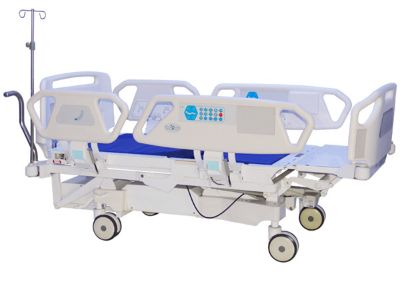
The importance of Research and Development (R&D) in hospital bed manufacturing cannot be overstated. As healthcare facilities strive to enhance patient care and streamline operations, R&D becomes a critical component in designing and producing hospital beds that meet evolving needs. B2B buyers, including purchasing managers and healthcare administrators, are particularly concerned about product quality, durability, and the latest innovations. This article will explore the role of R&D in hospital bed manufacturing, addressing key considerations for buyers in the industry
Evaluating Material Advantages in Hospital Bed Manufacturing
Selecting the right materials is essential in automatic hospital bed manufacturing, as they directly impact durability, safety, and patient comfort. Common materials used include metal frames, high-density foam, and antimicrobial fabrics. For instance, metal frames can provide structural integrity and longevity, while high-density foam enhances comfort for patients during prolonged use. Antimicrobial fabrics help reduce the risk of hospital-acquired infections, an important consideration for healthcare facilities
When evaluating materials, buyers should consider the weight capacity, ease of cleaning, and resistance to wear and tear. For example, a bed designed for heavy-duty use should have a sturdy frame made from high-grade steel, which can withstand constant use without compromising safety. Buyers should also confirm whether materials meet relevant regulatory standards and certifications, such as those from the FDA or CE, ensuring that the products are safe for patient use
Where to Source Reliable Hospital Beds with Proven R&D
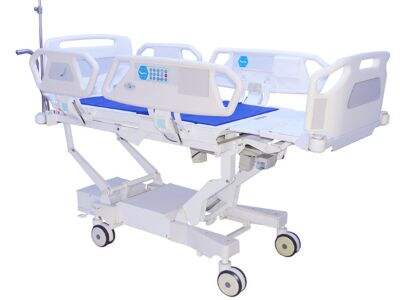
Finding reliable sources of hospital beds that prioritize R&D is crucial for ensuring product quality and innovation. Manufacturers like Jiangsu Youngcoln Medical leverage over 12 years of experience to develop advanced hospital furniture. Engaging with suppliers that have a clear commitment to R&D can lead to better product selection, including features that improve patient care, such as adjustable height settings and integrated mobility solutions
When sourcing, buyers should inquire about the manufacturer’s R&D capabilities. Ask for information on product development timelines, recent innovations, and any partnerships with healthcare professionals. A manufacturer that actively collaborates with healthcare providers is more likely to produce beds that address real-world challenges faced by medical staff and patients alike
Cost Factors Influencing Hospital Bed Manufacturing and R&D
Cost is a significant factor in fully electric hospital bed manufacturing, influenced by materials, design complexity, and R&D investment. While lower-priced options may be tempting, it is essential to consider the long-term implications of material durability and design functionality. A bed that requires frequent replacement or repair may ultimately cost more than a higher-quality alternative
Buyers should also assess the impact of R&D on pricing. Advanced features developed through R&D, such as enhanced safety mechanisms or ergonomic designs, may come at a premium. However, these innovations can lead to improved patient outcomes and operational efficiency, offering value that justifies the higher upfront cost. Requesting a detailed cost breakdown from suppliers can help buyers understand the components contributing to the final price
Common Problems in Hospital Bed Design and R&D Solutions
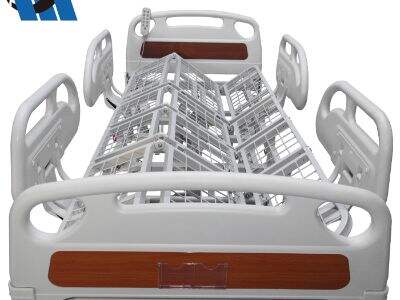
Hospital bed design is not without its challenges. Common issues include inadequate weight distribution, difficulty in cleaning, and mechanical failures. These problems can lead to safety risks for patients and staff, as well as increased operational costs
R&D plays a critical role in addressing these issues. For instance, by utilizing computer-aided design (CAD) software, manufacturers can simulate weight distribution and identify potential weaknesses before production. Moreover, innovations in materials and mechanisms can enhance the ease of cleaning and maintenance, ensuring that beds remain hygienic and functional
Buyers should be proactive in discussing common design problems with potential suppliers. Inquire about how the manufacturer has addressed these issues in their product lines and request case studies or testimonials from other healthcare facilities that have successfully implemented their solutions
Installation Guidance for Advanced Hospital Bed Technologies
The installation of advanced hospital bed technologies requires careful planning to ensure safety and compliance with healthcare regulations. Buyers should work closely with their suppliers to understand the specific installation requirements for each bed model, including any necessary tools or equipment
Training for hospital staff on how to operate and maintain the new beds is also crucial. Manufacturers should provide comprehensive installation guidance, including user manuals and training sessions, to ensure that staff can effectively use the beds and troubleshoot any issues that may arise
Before finalizing a purchase, buyers should confirm the installation support offered by the manufacturer. This can include on-site assistance, remote support, and availability of spare parts, all of which are essential for maintaining the functionality and safety of hospital beds over time
Understanding the importance of R&D in bariatric hospital bed manufacturing empowers buyers to make informed decisions that enhance patient care and operational efficiency. By evaluating material advantages, sourcing reliable manufacturers, considering cost factors, addressing design challenges, and ensuring proper installation, healthcare facilities can select hospital beds that meet their unique needs