
 EN


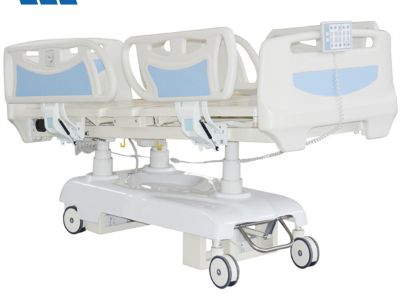
Bulk purchasing of hospital beds is a strategic choice for many healthcare providers, and understanding why bulk buyers prefer working with hospital bed factories is crucial for anyone in the procurement process. This article will delve into the factors influencing buyers' decisions, common challenges faced during purchases, and the vital technical knowledge required for sourcing hospital beds. By providing actionable insights, we aim to empower purchasing managers, engineers, and product managers to make informed decisions when collaborating with manufacturers like Jiangsu Youngcoln Medical
Understanding Why Bulk Buyers Choose Hospital Bed Manufacturers
Bulk buyers often seek bariatric hospital bed manufacturers for several compelling reasons. One primary factor is the ability to negotiate competitive pricing. Manufacturers like Jiangsu Youngcoln Medical, with over 12 years of experience, can offer significant cost savings for large orders due to economies of scale. Additionally, bulk purchasing ensures that healthcare facilities maintain consistency in quality and design across multiple units, which is crucial for patient care standards
Another reason is reliability in supply. Hospitals and healthcare centers require a steady supply of medical furniture, and partnering with a reputable manufacturer ensures timely delivery. Jiangsu Youngcoln Medical, with CE-certified products and FDA registration, assures buyers of compliance with international quality standards, further enhancing trust and reliability
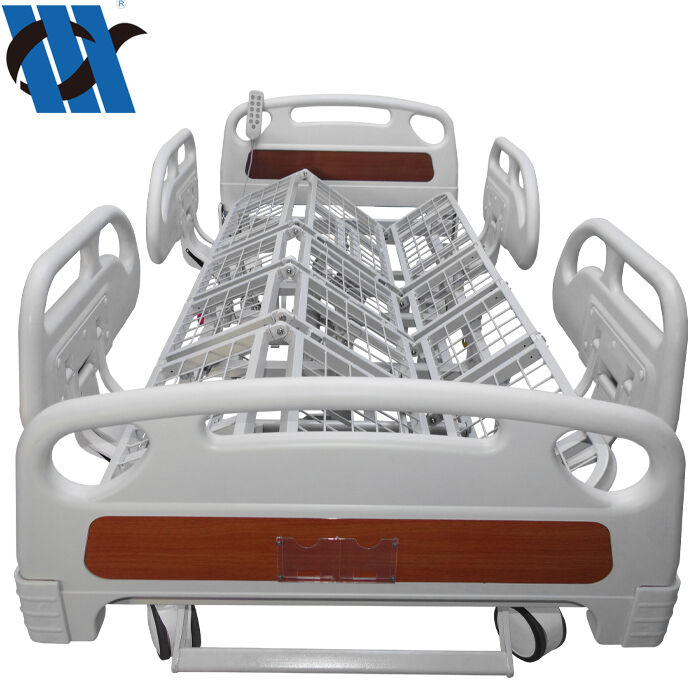
Where to Find Reliable Hospital Bed Suppliers for Your Projects
Finding reliable hospital bed suppliers involves thorough research and evaluation. Start by exploring industry directories, trade shows, and online marketplaces specializing in medical equipment. Focus on manufacturers with proven track records and positive customer reviews
It's beneficial to reach out to networks within the healthcare industry for recommendations based on first-hand experiences. Look for suppliers like Jiangsu Youngcoln Medical that not only offer competitive pricing but also demonstrate a robust after-sales service. This aspect is often overlooked but is essential for addressing any post-purchase issues, ensuring that your investment is protected
Common Problems in Hospital Bed Purchases and Their Solutions
Several common problems can arise during the purchasing of hospital beds. One frequent issue is miscommunication regarding specifications. Buyers may assume that the beds meet certain requirements without thoroughly verifying details such as weight capacity, adjustable features, or material specifications. To mitigate this risk, it's crucial to have clear, detailed discussions with manufacturers about your needs
Another problem is delivery delays. Bulk orders may face unexpected delays if manufacturers do not have adequate production capacity. To avoid this, confirm lead times before placing orders and consider placing orders well in advance of expected usage
Lastly, warranty and after-sales service can be a concern. Buyers should ensure they understand the warranty terms and the support provided post-purchase. Suppliers like Jiangsu Youngcoln Medical, who offer a three-year guarantee on their products, provide peace of mind in this regard

The Importance of Technical Knowledge in Hospital Bed Sourcing
Technical knowledge plays a pivotal role in sourcing hospital beds. Buyers must understand the various specifications that define the product's performance and suitability for their specific application. For instance, the load capacity of a bed is critical; inadequate capacity could lead to safety issues. Buyers should also be familiar with the materials used, as this impacts durability and maintenance requirements
Another technical aspect is the customization capabilities of the manufacturer. Many healthcare facilities require beds that can be tailored to specific needs, such as specialized mattresses or additional safety features. Understanding what customization options are available and how they can be integrated into the overall design is essential for meeting patient care standards
Lastly, knowing the regulatory requirements and certifications, like CE marking and FDA registration, is vital. These certifications not only ensure compliance with safety standards but also enhance the credibility of the supplier
A Guide for Bulk Buyers
For bulk buyers preparing to source fully electric hospital beds, several key considerations can facilitate a smoother purchasing process
Define Your Requirements: Clearly outline the specifications you need, including dimensions, weight capacities, materials, and any additional features. This will streamline communication with suppliers
Request Samples: Before committing to a large order, request samples to evaluate quality and functionality. Test these samples under actual operating conditions to ensure they meet your expectations
Assess Supplier Capabilities: Evaluate potential suppliers based on their manufacturing capabilities, production equipment, and quality control processes. A manufacturer like Jiangsu Youngcoln Medical, with advanced production techniques and robust quality systems, can be a reliable partner
Understand Pricing Factors: Be aware of the pricing structure, including minimum order quantities (MOQ) and potential cost variations for customized orders. This knowledge will help you budget effectively and negotiate better deals
Prepare for Quality Checks: Establish a clear quality inspection process before mass production. This might include checking materials, dimensions, and assembly to ensure compliance with your specifications
By following these guidelines, bulk buyers can navigate the complexities of sourcing hospital beds more effectively, ensuring they meet both budgetary and quality standards
Understanding why bulk buyers prefer working with hospital bed factories involves recognizing the advantages of competitive pricing, reliability, and technical expertise. By equipping themselves with the right knowledge and strategies, purchasing managers and healthcare professionals can make informed decisions that enhance patient care and operational efficiency