
 EN


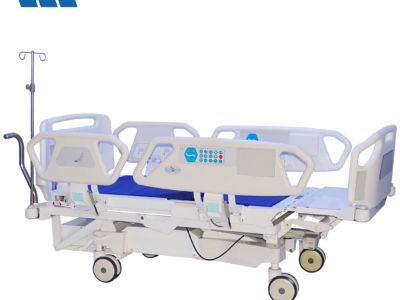
Direct supply from hospital bed factories has become a preferred choice for many healthcare institutions. This article delves into why hospitals favor procurement directly from manufacturers like Jiangsu Youngcoln Medical, a seasoned producer of durable hospital furniture, including hospital beds. Buyers often seek clarity on specifications, applications, and the advantages of direct supply to make informed purchasing decisions. By understanding these aspects, purchasing managers and healthcare administrators can optimize their procurement strategies
Why Hospitals Choose Direct Supply from Hospital Bed Manufacturers
Hospitals increasingly opt for direct supply from automatic hospital bed manufacturers for several reasons. One significant factor is cost-effectiveness. By eliminating intermediaries, hospitals can often secure lower prices without sacrificing quality. Additionally, direct relationships with manufacturers foster better communication, enabling hospitals to specify their needs more clearly and receive tailored solutions
Another compelling reason is the assurance of quality. Manufacturers like Jiangsu Youngcoln Medical offer CE-certified products with a three-year guarantee, ensuring that the beds meet stringent safety and performance standards. This direct line to the factory also facilitates faster response times in case of defects or issues, which is crucial for healthcare environments where patient safety is paramount
Moreover, manufacturers can provide valuable insights into the latest technologies and innovations in hospital furniture, helping hospitals stay updated and meet evolving patient care standards. This direct engagement often results in a more collaborative relationship, where hospitals can influence product development based on their practical experiences and requirements
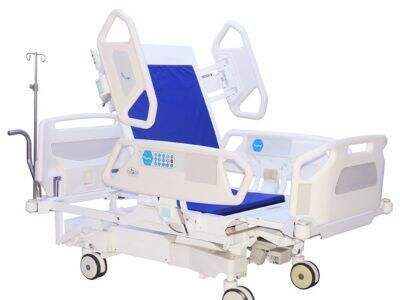
Key Specifications to Consider When Sourcing Hospital Beds
When sourcing hospital beds, buyers should focus on several key specifications to ensure they meet the needs of their healthcare facility. These specifications include
Material Quality: Hospital beds must be made from durable materials that can withstand heavy use and frequent cleaning. Steel frames are common for their strength, while high-quality plastics or composites are used for surfaces to enhance hygiene
Load Capacity: Understanding the maximum load capacity of a bed is vital. This specification should accommodate a wide range of patient weights, ensuring safety and comfort
Adjustability Features: Many hospital beds come with adjustable height and positioning capabilities. Buyers should consider whether features like electric adjustments for head and foot sections are necessary, as they can significantly enhance patient comfort and ease of use for medical staff
Dimensions: The overall dimensions of the hospital bed must fit within the constraints of the healthcare facility. This includes ensuring that the bed fits through doorways and can be maneuvered within patient rooms
Certifications: Ensure that the beds are compliant with relevant health and safety regulations. Certifications such as CE and FDA registration indicate that the products have undergone rigorous testing and meet industry standards
By focusing on these specifications, buyers can ensure they select hospital beds that not only meet regulatory requirements but also enhance patient care and operational efficiency
Top Applications for Durable Hospital Beds in Healthcare Settings
Durable hospital beds are essential in various healthcare settings, with applications extending beyond standard patient care. Here are some of the top uses
Acute Care Facilities: In hospitals, durable beds are crucial for acute care units where patients require constant monitoring and frequent adjustments. Features like side rails and easy maneuverability are essential in these environments
Long-term Care and Rehabilitation Centers: Beds used in long-term care facilities need to support patients who may be bedridden for extended periods. Features such as pressure-relieving mattresses and adjustable height help prevent bedsores and enhance comfort
Emergency Departments: In emergency settings, beds must allow for quick and efficient patient transfers. Durable designs that prioritize stability and ease of use are critical for these fast-paced environments
Home Healthcare: With the rise of home healthcare services, durable hospital beds are increasingly used in home settings. These beds must be easy to operate for caregivers and offer comfort for patients recovering at home
By understanding these applications, purchasing managers can better assess the types of beds that will meet their facility's needs and the specific features that will enhance patient care
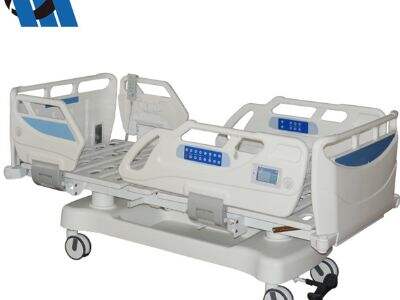
What Buyers Need to Know
For buyers evaluating electric hospital beds, several practical considerations can streamline the purchasing process
Request for Quotation (RFQ): When preparing an RFQ, include key details such as the type of bed, required specifications, quantities, delivery timelines, and any specific customization needs. This will help manufacturers provide accurate quotes and timelines
Sample Approval: Before finalizing an order, request samples to evaluate the bed's construction, materials, and functionality. Testing under actual operating conditions can reveal potential issues that may not be apparent from specifications alone
Lead Time: Understand the manufacturing lead times, especially if beds are customized. This information is vital for planning your procurement schedule, particularly in anticipation of new facility openings or renovations
Quality Inspection: Consider implementing a quality inspection process upon delivery. This can include checking for structural integrity, functionality of adjustable features, and overall finish quality. Promptly addressing any discrepancies will prevent long-term issues and ensure patient safety
By keeping these factors in mind, buyers can navigate the procurement process more effectively and establish a reliable supply chain
Advantages of Direct Supply from Hospital Bed Factories
Choosing direct supply from bariatric hospital bed factories offers numerous advantages for buyers
Cost Savings: By cutting out intermediaries, hospitals can reduce costs significantly. This is particularly advantageous for large volume purchases, where savings can add up
Customization Options: Direct relationships with manufacturers enable buyers to request tailored solutions that meet specific needs. Whether it’s a unique size, specific features, or custom branding, manufacturers are often more flexible in accommodating special requests
Streamlined Communication: Direct communication with manufacturers results in faster response times and clearer understanding of product specifications. This reduces the likelihood of miscommunication and ensures that the products meet all requirements
-
Enhanced After-sales Support: Manufacturers typically provide better after-sales service, including warranty support, maintenance guidance, and easy access to replacement parts. This is crucial for maintaining the longevity and performance of hospital beds in demanding environments
Product Innovation: Manufacturers are often at the forefront of innovation in hospital furniture. Direct supply relationships allow hospitals to access the latest technologies and improvements, empowering them to enhance patient care
By considering these advantages, purchasing managers can make informed decisions that not only meet immediate needs but also support long-term operational goals
Choosing direct supply from hospital bed factories like Jiangsu Youngcoln Medical not only optimizes procurement strategies but also significantly enhances the quality of patient care. By understanding specifications, applications, and the benefits of direct relationships, healthcare institutions can make well-informed purchasing decisions that align with their operational objectives