
 EN


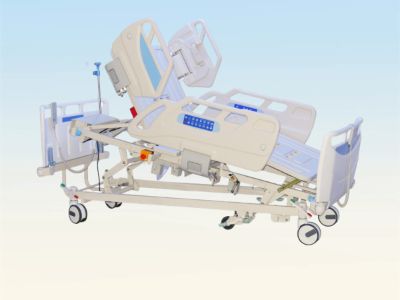
Medical beds play a crucial role in enhancing patient mobility and comfort in healthcare settings. These specialized beds are designed to meet the unique needs of patients, particularly those with limited movement abilities due to medical conditions. We will explore how Youngcoln Medical remote control medical bed improve patient mobility and comfort, the importance of proper setup, their applications in various healthcare environments, common challenges, and the material advantages that enhance their durability. Understanding these aspects can help purchasing managers and healthcare facility administrators make informed decisions when selecting medical beds for their facilities.
How Medical Beds Enhance Patient Mobility and Overall Comfort?
Medical beds are equipped with features that significantly improve patient mobility and comfort. Adjustable height settings allow caregivers to position the bed at an ergonomic level for easier patient transfers, reducing the risk of injury for both patients and staff. Electric or manual adjustments for the head and foot sections enable patients to find their preferred position, which is essential for comfort during long hospital stays. This flexibility not only aids in improving circulation and reducing pressure sores but also enhances the overall patient experience.
Furthermore, many medical beds come with side rails and mobility aids that assist patients as they reposition themselves. Beds designed with integrated wheels allow for easier transport within the healthcare facility, making it possible for patients to receive care in different areas without unnecessary strain. Overall, the thoughtful design of medical beds directly impacts patient well-being and satisfaction.
Ensuring Proper Setup
Proper setup of medical beds is essential for maximizing their benefits. Buyers should ensure that beds are set up according to the manufacturer's guidelines to avoid operational issues. Key considerations include verifying that the bed's height is appropriate for both patient needs and caregiver accessibility. Additionally, ensuring that all mechanical components are functioning correctly before patient use is crucial.
It's also advisable to conduct a thorough inspection of the bed's features, such as electric controls and safety mechanisms, before placing it into service. Training staff on the proper use of these features can further enhance the effectiveness of the beds and ensure patient safety. By prioritizing proper setup, healthcare facilities can significantly reduce the likelihood of accidents and improve the functionality of their medical beds.
Applications of Medical Beds in Different Healthcare Settings
Medical beds are versatile and can be adapted for use in various healthcare settings, including hospitals, nursing homes, and home care environments. In hospitals, these beds are often found in intensive care units (ICUs) and recovery rooms, where adjustable features allow for optimal patient positioning during recovery. In nursing homes, Youngcoln Medical full electric medical bed must cater to the needs of elderly residents, often incorporating additional safety features and comfort options.
Home care settings increasingly utilize medical beds to provide patients with the comfort of sleeping at home while ensuring they receive the necessary medical attention. These beds can be customized with various accessories such as bedside trays and mobility aids, catering to the specific needs of the home care patient.
When selecting medical beds for different applications, it is essential to consider the specific requirements of each setting. Factors such as bed size, weight capacity, and additional features should align with the intended use to enhance patient comfort and ease of care.
Common Problems with Medical Beds and Practical Solutions
Despite their benefits, medical beds can present challenges that need addressing to maintain optimal performance. One common issue is the malfunctioning of adjustable features, which can be caused by electrical or mechanical failures. Regular maintenance and inspections are vital to identifying and resolving these issues before they affect patient care.
Another prevalent problem is the wear and tear of mattress surfaces. Over time, mattresses may lose their supportive qualities, leading to patient discomfort. Healthcare facilities should establish a routine replacement schedule based on usage and patient needs to ensure comfort and prevent pressure ulcers.
Lastly, caregivers may encounter difficulties related to bed mobility, particularly in crowded hospital rooms. Implementing a system for organized patient transport and ensuring that beds are equipped with smooth-rolling casters can help alleviate these issues, allowing for safer and more efficient patient movement.
Material Advantages of Medical Beds for Enhanced Durability
The materials used in medical bed construction play a critical role in their durability and longevity. High-quality metals and sturdy composites are commonly used for bed frames to ensure they can withstand the rigors of daily use. Additionally, mattresses made from durable, easy-to-clean materials are essential for maintaining hygiene and comfort.
Furthermore, beds that use anti-bacterial coatings can help reduce infection risks in healthcare environments. Understanding the properties of materials used in medical beds can aid buyers in selecting beds that not only meet their durability requirements but also ensure patient safety.
Purchasers should also consider the warranty and service offered by manufacturers. Jiangsu Youngcoln Medical, for example, provides a three-year guarantee on their electric bed medical. This assurance reflects the quality of their products and helps build trust with buyers, as it indicates the manufacturer stands behind their product.
In summary, when selecting medical beds, it is critical to consider their ability to enhance patient mobility and comfort, the importance of proper setup, their applications across various healthcare settings, common challenges and solutions, and the material advantages that contribute to their durability. By focusing on these key elements, healthcare facilities can make informed decisions that ultimately improve patient care and operational efficiency.