
 EN


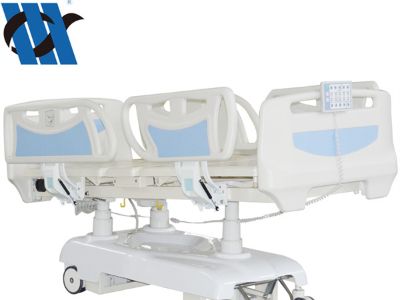
When it comes to hospital care, the choice between ICU hospital beds and standard hospital beds can significantly impact patient outcomes and operational efficiency. Understanding the key differences between these two types of beds is critical for purchasing managers, healthcare facility administrators, and product managers who seek to optimize patient care and safety. This article will clarify the distinctions between ICU and standard hospital beds, provide guidance on selecting the right option for your facility, and highlight essential considerations for wholesale buyers.
ICU Hospital Beds vs Standard Hospital Beds Explained
ICU hospital beds are specifically designed for critically ill patients who require constant monitoring and advanced medical support. These beds typically feature adjustable sections, allowing for a variety of positions to enhance patient comfort and facilitate care procedures. Moreover, ICU automatic hospital bed often come equipped with advanced technology, such as built-in scales for weight measurement, integrated monitoring systems, and enhanced mobility features for quick and safe patient transfers.
In contrast, standard hospital beds are designed for general patient use and lack many of the advanced features found in ICU beds. While they may also be adjustable for comfort and care, they do not usually include high-tech monitoring systems or specialized components. Instead, standard beds are more focused on basic patient comfort and recovery, making them suitable for post-operative care or less critical conditions.
How to Choose Between ICU and Standard Hospital Beds for Your Facility?
Selecting the appropriate bed type for your healthcare facility hinges on several factors, including the patient population, required care level, and budget constraints. Here are some key considerations:
Patient Care Needs: Evaluate the conditions your patients typically present with. ICU motorized hospital bed are essential for patients needing intensive care, while standard beds are suitable for those in stable condition requiring routine monitoring.
Features and Functionality: Determine what features are necessary for your care environment. ICU beds often have functionalities like Trendelenburg positioning and lateral tilt, which may not be needed in a standard setting.
Space and Mobility: Consider the layout of your facility. ICU beds are generally bulkier and may require more space for maneuverability, while standard beds can be more compact and easier to reposition.
Budget: Assess your budget constraints. While ICU beds often come with higher price tags due to their advanced features, they may be cost-effective in the long run by improving patient outcomes and reducing length of stay.
Regulatory Compliance: Ensure that any bed you consider meets applicable healthcare regulations and safety standards.
What Wholesale Buyers Should Know?
For wholesale buyers looking to procure hospital beds, understanding the nuances of ICU hospital beds versus standard hospital beds is crucial. Here are some essential aspects to consider:
Specifications: Take note of the bed dimensions, weight capacities, and required accessories. The icu bed may require specific monitoring equipment, while standard beds might need basic linens and support accessories.
Customization Options: Inquire about customization capabilities. Some manufacturers, like Jiangsu Youngcoln Medical, offer tailored solutions to meet unique facility requirements.
Quality Assurance: Verify quality control processes, certifications, and warranties. A reputable manufacturer should provide CE certification and a guarantee for their beds, ensuring that they meet safety and performance standards.
Lead Times and MOQ: Understand the minimum order quantities (MOQ) and lead times associated with the beds you wish to purchase. This information will help you plan your inventory and budgeting effectively.
After-sales Support: Ensure that the supplier provides excellent after-sales service, including maintenance, repairs, and parts replacement if needed.
ICU Hospital Beds vs Standard Hospital Beds
To further clarify the differences, here’s a comparison table summarizing key features:
| Feature | ICU Hospital Beds | Standard Hospital Beds |
|---|---|---|
| Adjustability | Multi-section adjustable | Basic adjustable |
| Monitoring Systems | Integrated monitoring capabilities | Typically no monitoring |
| Weight Capacity | Higher weight capacity for critical care | Standard weight capacity |
| Special Features | Advanced positioning and mobility | Basic comfort features |
| Use Case | Critically ill patients | General care patients |
| Price Point | Higher due to advanced features | More affordable |
Ensuring Safety and Efficiency
Safety and efficiency in patient care are paramount when selecting hospital beds. Here are some practical steps to ensure these qualities:
Regular Maintenance: Establish a routine maintenance schedule for hospital beds to prevent wear and tear. This includes checking mechanical components and ensuring that safety features function correctly.
Staff Training: Train healthcare staff on the proper use of ICU and standard beds. Understanding the functionalities and limitations of each bed type can prevent accidents and enhance patient care.
Patient Monitoring: For ICU beds, ensure that monitoring systems are regularly calibrated and that staff is trained to respond to alarms effectively.
Feedback Loop: Create a system for staff to report issues or suggestions regarding bed performance. Regular feedback can help identify areas for improvement and enhance patient care.
By understanding the critical differences between ICU hospital beds and standard hospital beds, healthcare facilities can make informed purchasing decisions that enhance patient care and operational efficiency. As a manufacturer with over 12 years of experience, Jiangsu Youngcoln Medical offers a range of durable, CE-certified hospital beds designed to meet diverse healthcare needs, backed by competitive pricing and excellent after-sales service.