
 EN


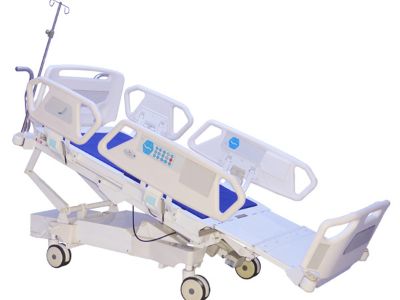
The Trendelenburg and Reverse Trendelenburg functions in advanced medical hospital beds are crucial features that enhance patient care and treatment efficacy. These functionalities are designed to support various medical conditions, improve circulation, and assist in procedures like surgeries and rehabilitation. For purchasing managers, hospital administrators, and equipment distributors, understanding these features is vital for making informed decisions about hospital bed selection. This article will delve into how to choose the right hospital bed for your facility, what to look for in hospital bed manufacturing, the applications of Trendelenburg and Reverse Trendelenburg positioning, common bed problems, and tips for wholesale purchasing of advanced medical furniture
How to Choose the Right Hospital Bed for Your Facility
Selecting the right hospital bed involves assessing the specific needs of your facility and patient population. Key considerations include the bed's functionality, patient comfort, and the bed's compatibility with existing medical equipment. The Trendelenburg and Reverse Trendelenburg functions are essential features that allow caregivers to adjust the bed's position to improve patient outcomes
When evaluating beds, look for models that provide adjustable height and positioning options, which are crucial for patient transfer and care. Additionally, consider the materials used in construction, as durable and easy-to-clean materials will enhance the longevity of the bed in a demanding hospital environment. CE certification and FDA registration are also critical indicators of safety and compliance, ensuring that the bed meets rigorous health standards
What to Look for in Hospital Bed Manufacturing
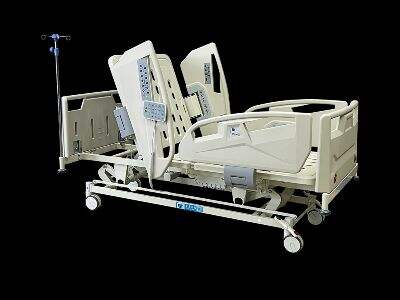
The manufacturing quality of hospital beds directly impacts their reliability and safety. Buyers should seek manufacturers with a solid reputation for quality control processes, including rigorous testing of materials and finished products. Key specifications to inquire about include
Materials: High-quality steel frames and non-porous surfaces can enhance durability and ease of cleaning
Load Capacity: Ensure the bed can support the maximum weight of patients, which typically ranges from 250 to 500 pounds, depending on the model
Adjustability: The range of motion for the Trendelenburg and Reverse Trendelenburg functions should be evaluated to ensure they meet the clinical needs of your facility
Manufacturers should also provide clear information about their production capabilities, including lead times, minimum order quantities (MOQs), and customization options for specific hospital requirements
Applications of Trendelenburg and Reverse Trendelenburg in Care Settings
The Trendelenburg and Reverse Trendelenburg functions serve various applications in healthcare settings. The Trendelenburg position, where the patient's legs are elevated above the heart, is often used in surgical procedures and to treat conditions like shock or low blood pressure. This position improves venous return and enhances circulation, making it essential for pre-operative and post-operative care
Conversely, the Reverse Trendelenburg position, where the head is elevated above the feet, is beneficial in managing respiratory conditions and improving oxygenation. It is also used to reduce the risk of aspiration and to aid in certain diagnostic procedures. Understanding these applications helps purchasing managers choose hospital beds that align with their specific clinical needs
Common Problems with Hospital Beds and Effective Solutions
Hospital beds can encounter various issues that may affect their performance and usability. Common problems include
Mechanical Failures: Issues with the bed's motors or adjustment mechanisms can hinder functionality. Buyers should look for beds with robust warranties and strong after-sales support to address these concerns
Wear and Tear: Frequent use can lead to wear on mattress surfaces or bed frames. Selecting beds with durable materials can mitigate this issue
Safety Concerns: Proper safety features, such as side rails and emergency stop functions, are critical for preventing accidents. Regular maintenance checks should be scheduled to ensure these components function correctly
Effective solutions include establishing a maintenance schedule, training staff on proper bed usage, and choosing models with easily replaceable parts to extend the bed's lifespan
Wholesale Purchasing Tips for Advanced Medical Furniture
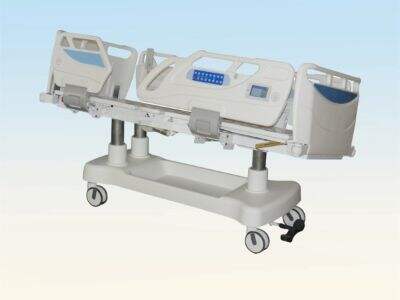
When purchasing advanced medical furniture, particularly hospital beds, buyers should be proactive in their approach. Here are practical tips for wholesale purchasing:
Request Detailed Quotations: Include specifications such as bed model, dimensions, material requirements, and desired features when requesting quotes. This ensures that suppliers understand your needs and can provide accurate pricing
Evaluate Supplier Credentials: Verify that the manufacturer has the necessary certifications and a proven track record in hospital furniture production. A reputable supplier will have documentation for CE certification and FDA registration
Consider Customization Options: Many facilities require customized beds to meet specific patient needs or space constraints. Discuss your customization requirements upfront to ensure the manufacturer can accommodate them
Assess Lead Times and Delivery Logistics: Understand the lead times for production and delivery, particularly if your facility is under tight timelines for new equipment
Inspect Samples: Before committing to a large order, request samples to evaluate the quality, durability, and functionality of the beds. Testing these beds under actual operating conditions can provide valuable insights into their performance
By following these guidelines, purchasing managers can make informed decisions that align with their facility's operational needs and budget constraints
In summary, understanding the Trendelenburg and Reverse Trendelenburg functions in advanced medical hospital beds is essential for healthcare providers aiming to enhance patient care and operational efficiency. By carefully evaluating beds based on functionality, manufacturing quality, and specific applications, facilities can ensure that they select the best options for their needs