
 EN


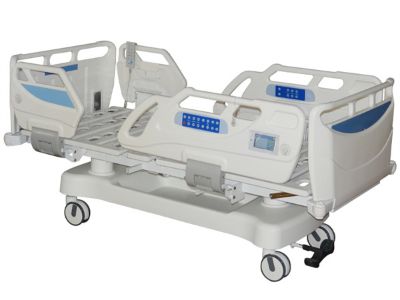
Improving clinical positioning is a critical aspect of patient care, and medical hospital bed articulation systems play a vital role in this process. These systems are designed to enhance patient comfort and facilitate easier medical procedures, thereby addressing key concerns for purchasing managers and healthcare providers. This article will explore how medical hospital bed patient electric systems improve clinical positioning, including their impact on patient comfort, quality assessment, installation guidance, and application scenarios.
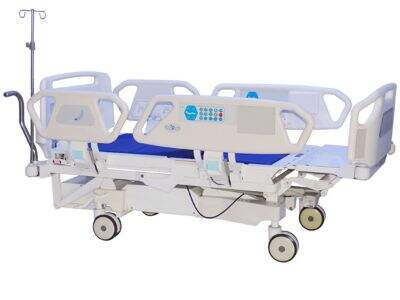
How Medical Hospital Bed Articulation Systems Enhance Patient Comfort?
Medical hospital bed articulation systems are engineered to allow for multiple adjustable positions, promoting a high level of patient comfort and safety. These systems typically offer features such as adjustable backrests, leg lifts, and tilt functions, which can cater to the specific needs of patients.
For example, when patients are able to adjust their position, it can alleviate pressure on certain body parts, significantly reducing the risk of bedsores. Furthermore, proper positioning can facilitate better respiratory function and enhance circulation, which is particularly important for patients with mobility restrictions.
Wholesale Options for Durable Hospital Bed Articulation Systems
For healthcare facilities looking to procure medical hospital bed articulation systems, wholesale options present a viable pathway to obtain high-quality beds at competitive prices. Jiangsu Youngcoln Medical, with over 12 years of experience in manufacturing durable hospital furniture, provides a range of wholesale options that cater to different hospital needs.
When considering wholesale purchases, buyers should assess the minimum order quantities (MOQ) and pricing structures. It’s essential to understand that wholesale purchases often come with bulk pricing benefits, but these should be weighed against the storage and inventory management capabilities of the facility.
Additionally, buyers should inquire about customization options, such as specific dimensions or features that may be required for unique patient needs. Understanding the nuances of bulk purchasing can lead to significant cost savings and ensure the procurement of the right equipment tailored to clinical demands.
Evaluating Quality in Hospital Bed Articulation Systems for Purchase
Quality evaluation is a paramount concern when selecting hospital bed articulation systems. Buyers must consider various factors, including materials, construction quality, and available certifications.
Hospital beds should be constructed from durable materials that can withstand regular use and cleaning. A key specification to look for is the weight capacity of the bed, which should be appropriate for the patient demographic it will serve. Additionally, the frame should exhibit robust construction to ensure stability during articulation.
Certifications such as CE and FDA registration are critical indicators of quality and safety standards. These certifications demonstrate compliance with regulatory requirements, providing assurance to healthcare facilities regarding the reliability of the products.
Moreover, buyers should perform quality inspections on samples prior to mass production. Inspecting product samples allows for the verification of dimensions, functionality, and finish, ensuring that the final product meets the expected standards.
Installation Guidance for Medical Bed Articulation Systems in Hospitals
Proper installation of medical bed articulation systems is crucial for optimal performance and patient safety. Buyers should ensure that installation is carried out by qualified personnel who are familiar with the specific requirements of the systems being installed.
Before installation, it’s important to review the manufacturer’s installation guidelines to understand any specific tools or equipment required. Additionally, it’s advisable to assess the installation environment, ensuring there is adequate space and accessibility for the beds to function properly.
Training healthcare staff on how to operate the bed features is also vital. This training should cover the various articulation functions, safety protocols, and maintenance requirements to maximize the lifespan of the equipment.
Application Scenarios for Hospital Bed Articulation in Clinical Settings
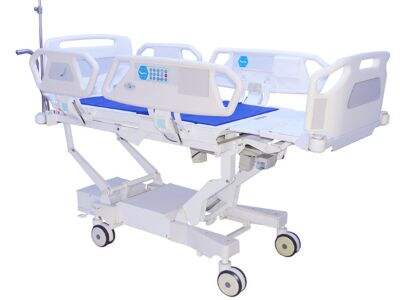
Hospital bed articulation systems are versatile and can be employed in various clinical settings, such as surgical units, intensive care units (ICUs), & general wards. Each setting may have specific needs that these systems can address effectively.
In surgical units, for instance, adjustable beds can help maintain optimal positioning during pre-operative and post-operative recovery, aiding patient comfort and recovery times. In ICUs, where patients may require constant monitoring, the ability to adjust beds hospital adjustable beds quickly enhances the accessibility of medical staff while ensuring patient safety.
In general wards, these articulation systems can facilitate a more personalized approach to patient care. For example, beds that can be raised for easier access help both staff and patients, reducing strain during patient care activities such as feeding or mobility assistance.
In summary, understanding the functionality and application of medical hospital bed articulation systems is essential for healthcare providers to improve clinical positioning effectively. By considering factors like comfort, quality, installation, and application scenarios, purchasing managers can make informed decisions that enhance patient care while ensuring compliance with industry standards.
Table of Contents
- How Medical Hospital Bed Articulation Systems Enhance Patient Comfort?
- Wholesale Options for Durable Hospital Bed Articulation Systems
- Evaluating Quality in Hospital Bed Articulation Systems for Purchase
- Installation Guidance for Medical Bed Articulation Systems in Hospitals
- Application Scenarios for Hospital Bed Articulation in Clinical Settings