
 EN


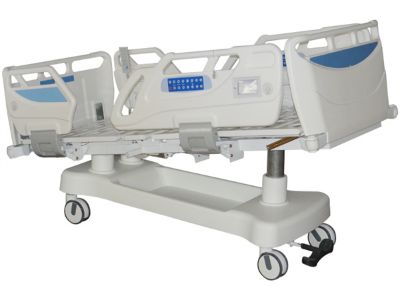
Height-adjustable hospital beds are essential equipment in healthcare settings, significantly enhancing patient safety and comfort during transfers. The ability to modify the height of a hospital bed supports safe patient transfer by reducing the risk of injury to both patients and healthcare workers. This article will explore how medical hospital bed height adjustment supports safe patient transfer, focusing on key specifications, important features to consider, reliable sourcing, installation guidance, and common problems associated with bed adjustments
Key Specifications for Hospital Beds with Height Adjustment Features
When selecting a hospital bed with height adjustment capabilities, several specifications should be considered to ensure optimal performance and safety. Key specifications include
Height Range: The adjustable height range should accommodate various patient needs, allowing beds to be raised or lowered to facilitate easy transfers. A typical height range is between 24 to 32 inches, but this can vary by model
Weight Capacity: It's vital to verify the bed's weight capacity, which should support a wide range of patient weights without compromising safety. Most hospital beds can support between 350 to 500 pounds
Adjustment Mechanism: The method of height adjustment—whether manual, electric, or hydraulic—affects ease of use. Electric models are generally preferred for their convenience and safety features
Control Options: Beds may come with handheld controls or integrated controls on the side rails. Buyers should ensure that controls are intuitive and accessible for both patients and caregivers
Safety Features: Look for beds equipped with safety rails, anti-collision sensors, and locking mechanisms to prevent accidental height adjustments during patient transfers
Understanding these specifications helps buyers select hospital beds that meet both operational requirements and safety standards
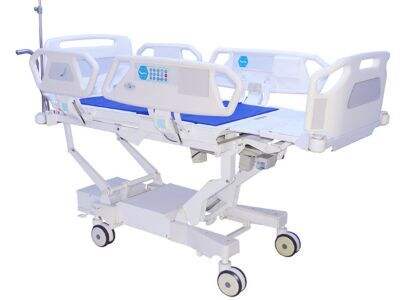
What to Look for in Adjustable Hospital Beds
When evaluating adjustable hospital beds, buyers should focus on several critical features
Durability: Hospital beds must withstand frequent use in demanding environments. Materials such as high-quality steel for the frame and durable, easy-to-clean surfaces are essential for longevity
Ease of Maintenance: Consider beds designed for easy disassembly and maintenance. Features like removable covers and washable materials can simplify cleaning processes
Customization Options: Some manufacturers offer customization in terms of size, color, and additional features. Customization can enhance patient comfort and fit specific facility requirements
Warranty and Certification: Ensure that the hospital beds come with a solid warranty, such as Youngcoln Medical's three-year guarantee. Certifications like CE and FDA registration are indicators of compliance with health and safety regulations
User Training: Assess whether the supplier provides training for healthcare staff on the use and maintenance of the beds, ensuring that everyone can operate them safely and efficiently
By focusing on these factors, buyers can ensure they select adjustable hospital beds that meet their facility's needs while enhancing patient care
Sourcing Reliable Adjustable Hospital Beds
Sourcing adjustable hospital beds requires careful consideration of potential suppliers. Here are some steps to ensure a reliable purchasing decision
Research Manufacturers: Investigate manufacturers with a proven track record and positive reviews from previous clients. Companies with over a decade of experience, like Jiangsu Youngcoln Medical, often have established reputations for quality
Request Product Samples: Before making a bulk purchase, request samples to evaluate the bed’s construction, comfort, and functionality. Testing a sample can reveal important details about the bed's performance
Check Certifications: Ensure that the hospital beds meet necessary certifications for safety and reliability. Compliance with CE and FDA standards is crucial in the healthcare industry
Assess After-Sales Support: Reliable suppliers should provide excellent after-sales service, including parts availability, warranty support, and maintenance guidance
Compare Pricing: While price is an important factor, it should not be the sole consideration. Balance cost against quality and service to make a well-informed decision
Taking these steps can help buyers find dependable suppliers who can provide high-quality adjustable hospital beds
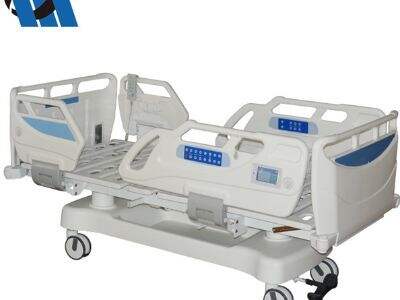
Installation Guidance for Adjustable Hospital Beds in Healthcare Settings
Proper installation of adjustable hospital beds is crucial for ensuring patient safety and optimal functionality. Here are some key steps to follow
Review Installation Manuals: Before installation, carefully read the manufacturer's installation manual. This will outline specific requirements and procedures to follow
Ensure Adequate Space: Install beds in areas that allow for easy access for both patients and healthcare staff. Consider the space needed for maneuvering and for any necessary equipment
Leveling the Bed: Adjust the bed to ensure it is level on the floor. This prevents instability, which can lead to accidents during patient transfers
Test All Features: After installation, thoroughly test all adjustable features, including height adjustment and safety mechanisms, to confirm they operate correctly
Staff Training: After installation, conduct training sessions for staff on how to use and maintain the beds to enhance safety and operational efficiency
By following these installation guidelines, healthcare facilities can ensure that their adjustable hospital beds are set up correctly for safe and effective use
Common Problems with Hospital Bed Adjustments and Their Solutions
Even the best hospital beds can experience issues over time. Understanding common problems and their solutions can help maintain bed functionality
Height Adjustment Malfunctions: If the height adjustment feature becomes unresponsive, check for power supply issues or inspect the control mechanism for faults. Regular maintenance and checks can prevent this issue
Worn Out Components: Over time, components such as the hydraulic lift or electric motors may wear out. Have a routine inspection schedule to identify and replace worn parts before they fail
Safety Rail Issues: If safety rails do not lock properly, patients may be at risk of falling. Regularly inspect safety features and ensure they function as intended
Noise During Operation: If the bed emits unusual noises during height adjustments, this could indicate mechanical issues. Lubricating the moving parts or consulting the manufacturer can often resolve these concerns
User Error: Many problems arise from improper use. Regular training sessions for healthcare staff can help mitigate user errors and improve overall safety
By staying proactive about these common issues, healthcare facilities can prolong the life and functionality of their adjustable hospital beds, ensuring safe patient transfers