
 EN


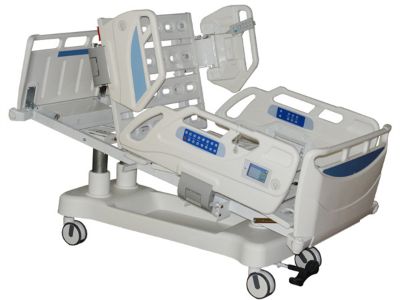
Medical hospital beds are critical components in healthcare settings, directly influencing patient safety and care quality. Understanding how medical hospital bed load distribution affects structural stability is vital for purchasing managers, engineers, and healthcare facility administrators. This article delves into essential factors to consider when selecting hospital beds, ensuring that your facility prioritizes both safety and functionality. Key considerations include specifications, cost factors, potential stability problems, and ways to enhance load distribution for optimal patient safety
Key Factors to Consider
When evaluating hospital beds, several key factors influence their load distribution and stability. The design, materials used, and construction quality are paramount. For instance, a bed's frame material, often steel or high-strength aluminum, directly impacts its load-bearing capacity and overall durability. Additionally, the bed's design—whether it features a rigid frame or a more flexible structure—affects how weight is distributed across the bed
It is also crucial to consider the bed's weight capacity, which should align with patient demographics and expected usage. A bed designed for a higher weight capacity generally uses stronger materials and enhanced engineering, which contributes to improved stability. Furthermore, the bed's height and adjustable features can affect its center of gravity and, consequently, its performance under load
Finally, ensure that the hospital bed complies with relevant safety standards, such as those set by the FDA and CE certifications, to guarantee that it meets the necessary quality and safety requirements for patient use
What to Look for in Hospital Bed Specifications for Stability and Safety
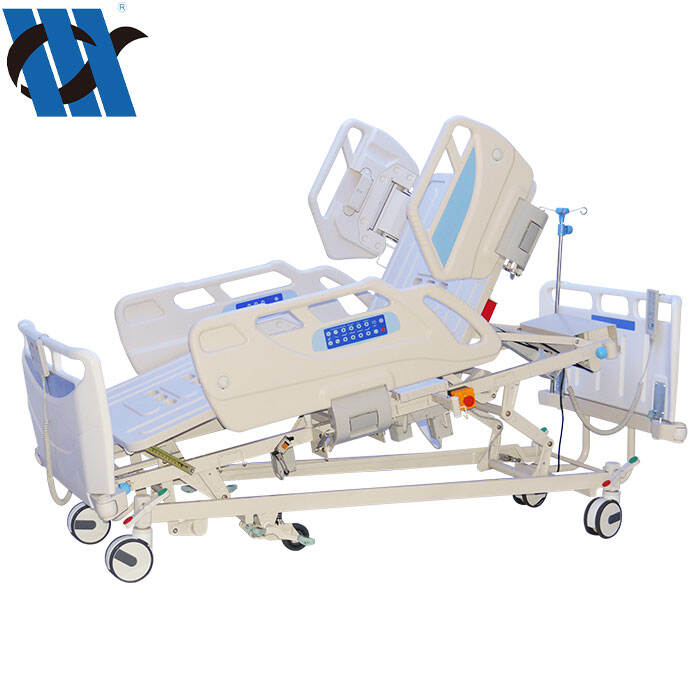
When assessing hospital bed specifications, focus on dimensions, weight capacity, and material quality. The dimensions of the bed should accommodate a variety of patient sizes and provide sufficient space for medical personnel to operate safely. Key specifications to check include the length, width, and height adjustments
Weight capacity is critical; it is essential to select beds rated for loads exceeding the maximum expected patient weight, including additional equipment such as IV poles or monitors. A common mistake is overlooking this factor, which can lead to compromised stability and safety
Material selection plays a vital role in both durability and safety. Steel frames typically offer better stability than plastic alternatives, but the choice may depend on the specific application and environment. Additionally, consider the surface treatment of the materials, as this can affect hygiene and maintenance
Lastly, review features such as locking mechanisms for wheels, adjustable height settings, and side rails, which enhance both patient safety and caregiver access
Understanding the Cost Factors of Durable Hospital Bed Manufacturing
Cost is a significant consideration in hospital bed procurement, influenced by various factors including materials, design complexity, and production processes. Higher-quality materials may increase upfront costs but can lead to long-term savings through durability and reduced maintenance needs
Design complexity also impacts pricing. Custom features or unique specifications tailored to specific healthcare needs can raise costs, but these enhancements often improve functionality and patient safety
Manufacturing processes, including the use of advanced technologies such as automated welding or precision machining, can also affect the overall cost. These methods can enhance quality but may come with higher initial investments
Buyers should conduct a thorough cost-benefit analysis, weighing the initial purchase price against potential long-term savings and patient safety improvements. Collaborating closely with manufacturers like Jiangsu Youngcoln Medical can help identify the best balance between cost and quality
Common Problems with Hospital Bed Stability and Their Solutions
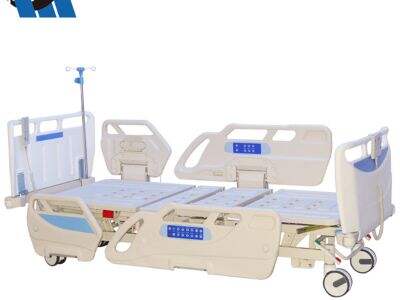
Hospital bed stability issues can arise from several factors, including inadequate load distribution, poor material choice, and design flaws. One common problem is the tipping of beds when a patient shifts unexpectedly. This can be mitigated by ensuring that the bed's center of gravity is low and that its weight capacity exceeds the projected loads
Another issue can arise from wear and tear on moving parts, such as wheels and height adjustment mechanisms. Regular maintenance and inspections are essential to identify potential problems before they compromise stability. Establishing a routine maintenance schedule can help ensure that beds remain in safe working order
To address these issues, consider implementing training programs for staff on proper bed usage and maintenance. Additionally, selecting beds with robust locking mechanisms for wheels and reinforced frames can significantly enhance safety and stability
Enhancing Load Distribution for Patient Safety
To enhance load distribution in hospital beds, focus on engineering design and material selection. Beds with a wider base or enhanced structural support can distribute weight more evenly, reducing the risk of tipping or collapse
Incorporating features such as adjustable side rails and anti-tipping designs can also improve load distribution. These elements help maintain a stable center of gravity, especially when patients shift positions or when multiple caregivers are involved in patient care
Regular assessments of bed performance, including stress tests and user feedback, can provide insights into load distribution efficacy. Collaborating with experienced manufacturers to customize bed designs based on specific hospital needs can yield significant improvements in patient safety and satisfaction
By prioritizing these factors, healthcare facilities can ensure that their investment in hospital beds translates into enhanced patient care, safety, and operational efficiency