
 EN


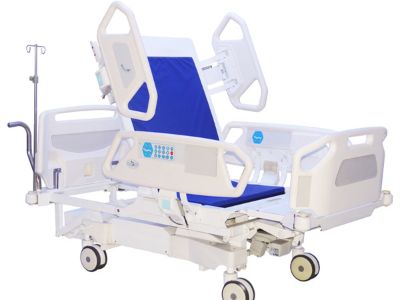
When considering surface treatments for medical hospital bed frames, the choice between powder coating and alternative methods can significantly impact durability, maintenance, and overall performance. Powder coating vs. other surface treatments for medical hospital bed frames is a crucial topic for purchasing managers, healthcare facility administrators, and manufacturers. This article aims to provide insights into the advantages of powder coating, compare it with other treatments, outline key specifications, discuss cost factors, and offer guidance on installation. Understanding these aspects will help decision-makers ensure they select the best option for their specific needs
Understanding Powder Coating Advantages for Medical Bed Frames
Powder coating is a popular surface treatment for medical hospital bed frames due to its numerous advantages. One of the primary benefits is its durability. The powder coating process involves applying a dry powder to the frame, which is then cured under heat, forming a hard, protective layer that resists chipping, scratching, and fading. This is particularly important in medical environments where the furniture is subjected to frequent cleaning and disinfecting
Another advantage is the variety of colors and finishes available, allowing for customization to fit the aesthetics of the healthcare facility. Additionally, powder coating provides excellent corrosion resistance, which is crucial in maintaining the integrity of hospital furniture exposed to various chemicals and cleaning agents
Moreover, powder coating is considered an environmentally friendly option. It produces fewer volatile organic compounds (VOCs) compared to liquid coatings, making it a more sustainable choice for modern medical facilities focused on reducing their environmental impact

Comparing Powder Coating to Alternative Treatments for Bed Frames
When comparing powder coating to alternative surface treatments like electrostatic painting or traditional liquid painting, several factors come into play. Electrostatic painting offers good coverage but may not provide the same level of durability as powder coating, particularly under harsh cleaning conditions. Liquid painting, while more common in some industries, can lead to uneven finishes and longer curing times, which can delay production schedules
Furthermore, the adhesion properties of powder coating enable it to withstand extreme conditions better than most liquid paints. This is particularly relevant in medical settings, where bed frames must endure wear and tear from daily use. In contrast, traditional treatments may chip or wear away more quickly, requiring more frequent maintenance and replacements
Cost-effectiveness is another important consideration. Though the initial investment in powder coating might be higher, its longevity and reduced need for maintenance can lead to lower overall costs in the long run. Buyers should evaluate their specific requirements and consider the total cost of ownership when making a decision
Key Specifications for Powder Coated Medical Hospital Bed Frames
When selecting powder-coated hospital bed frames, specific specifications should be considered to ensure suitability for medical applications. Key specifications include
Thickness of Coating: A thicker powder coating layer provides better protection against scratches and abrasions. Typically, a thickness of 60-80 microns is recommended for hospital furniture
Material Compatibility: The base material of the bed frame, usually steel or aluminum, must be compatible with the powder coating process to ensure proper adhesion and performance
Color and Finish: The finish must not only meet aesthetic requirements but also be easy to clean and maintain. Matte finishes may hide scratches better than glossy finishes, which can show wear more easily
Chemical Resistance: Given the exposure to various cleaning agents in healthcare settings, the powder coating should be resistant to chemicals commonly used in hospitals, such as disinfectants
Load-Bearing Capacity: Ensure that the frame can support the intended weight, including patients and any additional equipment
Buyers should verify these specifications with their manufacturer to ensure that the selected product meets the necessary performance standards

Cost Factors in Powder Coating vs. Other Surface Treatments
Understanding the cost factors associated with powder coating compared to other surface treatments is essential for informed purchasing decisions. The cost of powder coating can vary based on several factors
Material Costs: The type of metal used for the bed frame can affect the overall price. Steel frames might be less expensive than aluminum but may require more substantial coating for durability
Volume and Customization: Higher order quantities typically reduce the per-unit cost, while customization options, such as unique colors or finishes, may add to the base price
Production Process: The efficiency of the coating process can influence labor costs. Powder coating requires specialized equipment and skilled labor, which can lead to higher initial costs compared to simpler liquid painting techniques
-
Long-Term Value: While powder coating may have a higher upfront cost, its long lifespan and lower maintenance requirements can result in cost savings over time. Buyers should calculate the total cost of ownership, including maintenance and replacement, when comparing options
Installation Guidance for Powder Coated Hospital Bed Frames
Proper installation of powder-coated hospital bed frames is crucial to ensure safety and functionality. Here are some key considerations
Surface Preparation: Ensure that the installation area is clean and free from debris. If the bed frame is being assembled, verify that all components are present and undamaged
Alignment and Leveling: Proper alignment is essential for the bed's functionality. Use a level to ensure that the frame is straight and stable, which will prevent unnecessary wear and prolong its lifespan
Secure Fastening: Use high-quality fasteners that are compatible with the materials of the bed frame. Tighten all connections to the manufacturer's specifications to avoid loosening over time
Final Inspection: After installation, conduct a thorough inspection to check for any defects in the frame or coating. This step is vital to address any issues before the product is put into use
Maintenance Instructions: Provide users with guidelines on how to maintain the powder-coated surfaces, including recommended cleaning agents and procedures to avoid damaging the finish
By following these installation guidelines, healthcare facilities can ensure that their powder-coated hospital bed frames perform effectively and maintain their appearance over time
Understanding the benefits and specifications of powder coating compared to other surface treatments is essential for making an informed purchasing decision for medical hospital bed frames. By considering durability, maintenance, cost factors, and installation guidelines, decision-makers can select the best solution to meet their facility's needs
Table of Contents
- Understanding Powder Coating Advantages for Medical Bed Frames
- Comparing Powder Coating to Alternative Treatments for Bed Frames
- Key Specifications for Powder Coated Medical Hospital Bed Frames
- Cost Factors in Powder Coating vs. Other Surface Treatments
- Installation Guidance for Powder Coated Hospital Bed Frames