
 EN


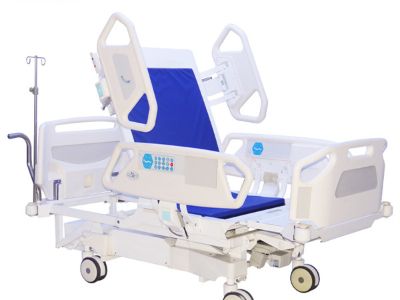
Understanding how mattress platform design affects patient positioning and care procedures is essential for healthcare facilities aiming to enhance patient comfort and streamline care delivery. The platform serves as the foundational support for hospital mattresses, influencing not only the patient's comfort but also the effectiveness of medical procedures and staff efficiency. This article will delve into critical aspects of hospital bed mattress platform design, addressing buyer concerns about material selection, installation, and common design issues while providing practical insights for healthcare procurement.
Installation Guidance for Durable Mattress Platforms in Hospitals
Installing mattress platforms in hospitals requires careful consideration to ensure durability and functionality. The installation process typically begins with assessing the hospital's specific requirements, including the types of patient bed mattress to be used and the intended patient care procedures. A robust installation should involve verifying that all components are properly aligned and securely fastened to withstand frequent use and cleaning.
Buyers should ensure that the installation team is familiar with the manufacturer's specifications and guidelines. For instance, ensuring that the mattress platform is level and securely anchored can prevent issues related to patient safety and comfort. Additionally, consider the logistical aspects, such as the platform's weight and dimensions, which could affect transportation and maneuverability within the facility.
Material Advantages of Mattress Platforms for Patient Care Efficiency
Material selection is a critical factor in mattress platform design, as it directly impacts patient care efficiency. Platforms made from high-quality materials, such as steel or durable composite materials, offer enhanced durability and stability. Steel platforms, for instance, can withstand heavy loads and provide a stable support structure for various types of mattresses.
Moreover, material properties such as resistance to moisture, ease of cleaning, and compatibility with disinfection protocols are essential for maintaining hygiene in healthcare environments. For example, platforms designed with antimicrobial coatings can help minimize the risk of infection, a significant concern in hospitals. Buyers should prioritize platforms that meet these material standards to ensure long-term performance and patient safety.
Addressing Common Problems with Mattress Platform Design Solutions
Common issues related to mattress platform design can hinder patient care and operational efficiency. One frequent problem is inadequate support, which can lead to sagging medical bed mattress and discomfort for patients. To mitigate this, buyers should look for platforms that feature reinforced frameworks capable of distributing weight evenly.
Another issue is the compatibility of mattress thickness and platform height. An improperly matched combination can make it difficult for patients to get in and out of bed, especially for those with mobility challenges. Engaging with suppliers who understand these nuances can help ensure that the selected platforms align with the specific needs of the facility and its patient demographics.
What to Look for When Choosing Mattress Platforms for Healthcare Use?
When selecting mattress platforms for healthcare use, several key factors should guide the decision-making process. First, assess the platform's weight capacity, ensuring it can support the maximum expected patient weight, including any additional equipment like monitoring devices.
Next, evaluate the ease of assembly and disassembly. Platforms that can be easily assembled and disassembled facilitate maintenance and cleaning, critical for infection control. Additionally, consider platforms with adjustable height features, which enhance accessibility for both patients and healthcare staff.
Lastly, look for platforms that offer warranties or guarantees, which can indicate the manufacturer's confidence in their product's durability and reliability. Jiangsu Youngcoln Medical, for example, provides a three-year guarantee on their products, reflecting their commitment to quality.
Technical Expertise in Mattress Platform Design for Medical Applications
Technical expertise in mattress platform design is paramount in ensuring that the products meet healthcare standards and regulations. A reputable manufacturer should be able to provide detailed specifications regarding load-bearing capacities, material certifications, and compliance with health and safety regulations, such as those set by the FDA.
Additionally, consider the manufacturing processes employed in producing the mattress platforms. Advanced manufacturing techniques, such as precision welding or automated assembly, can enhance the quality and consistency of the final product. Buyers should also inquire about the quality control measures in place during production to ensure that every unit meets the established standards.
Furthermore, customization capabilities can be a significant advantage for healthcare facilities. Custom solutions can address specific patient needs or operational requirements, enhancing the overall effectiveness of patient care. Engaging with a manufacturer that has a strong track record in custom solutions can lead to more effective patient positioning and improved care procedures.
In summary, understanding the impact of mattress platform design on patient care is critical for healthcare procurement. By focusing on installation guidance, material advantages, common design problems, selection criteria, and technical expertise, buyers can make informed decisions that enhance patient comfort and streamline care delivery processes.
Table of Contents
- Installation Guidance for Durable Mattress Platforms in Hospitals
- Material Advantages of Mattress Platforms for Patient Care Efficiency
- Addressing Common Problems with Mattress Platform Design Solutions
- What to Look for When Choosing Mattress Platforms for Healthcare Use?
- Technical Expertise in Mattress Platform Design for Medical Applications