
 EN


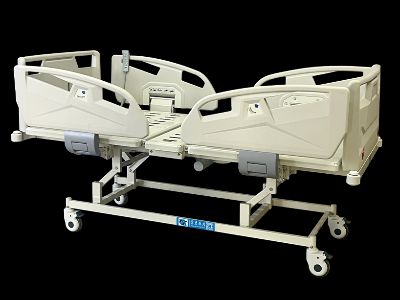
Split side rails are essential components in clinical bed design, playing a crucial role in enhancing patient accessibility. These rails not only provide safety and support for patients when entering or exiting the bed, but they also facilitate caregiver access during medical procedures. This article will delve into the key features, purchasing considerations, and material specifications for split side rails, aiding buyers in making informed decisions for their clinical settings.
Key Features for Clinical Bed Accessibility
Split side rails offer several important features that enhance both patient safety and caregiver efficiency. One of the primary functions of these rails is to provide stability for patients as they maneuver in and out of bed. This is particularly vital for elderly or mobility-impaired individuals, as it helps prevent falls and injuries. Additionally, split side rails can be adjusted or removed, allowing caregivers to tailor the automatic hospital bed accessibility based on the patient's needs. This adaptability is crucial in clinical environments where varying levels of support are required. Furthermore, the design of split side rails often includes locking mechanisms to ensure they remain securely in place during use, thus enhancing safety. The materials used in these rails can also impact their effectiveness. For instance, rails constructed from high-strength aluminum or steel not only offer durability but also ensure they can withstand the rigors of daily use in busy healthcare settings.
What Buyers Should Know?
When considering purchasing split side rails, buyers should pay close attention to several key factors. First, it’s essential to understand the specific needs of the patient population being served. For example, beds intended for pediatric use will require differently designed side rails compared to those used for geriatric patients. Another critical consideration is the compatibility of the side rails with existing bed models. Not all rails are universally compatible, so verifying that the chosen rails are designed to fit the specific bariatric hospital bed model is crucial. Additionally, buyers should inquire about customization options, as some manufacturers offer bespoke solutions tailored to unique patient needs. Pricing is also a significant factor. Understanding the cost implications of different materials and designs can help buyers align their choices with budget constraints while ensuring safety and functionality.
Where to Source Reliable Split Side Rails for Bulk Orders?
Sourcing split side rails in bulk requires careful consideration of potential suppliers. Buyers should prioritize manufacturers with a proven track record in producing medical furniture, such as Jiangsu Youngcoln Medical, which has over 12 years of experience in the industry. When evaluating suppliers, it’s important to assess their certifications, such as CE certification and FDA registration, which indicate compliance with safety and quality standards. Additionally, buyers should inquire about the supplier’s production capabilities, lead times, and minimum order quantities (MOQ). Requesting samples before placing a bulk order is advisable. This allows buyers to evaluate the quality, fit, and functionality of the side rails directly. Reliable suppliers will often provide samples to ensure customer satisfaction prior to mass production.
Materials, Durability, and Cost Factors
The choice of materials for split side rails significantly impacts their durability, safety, and cost. Common materials include high-strength steel, aluminum, and various plastics. Each material offers unique benefits:
Steel is highly durable and resistant to bending or breaking under pressure, making it ideal for heavy-duty applications. However, it may be heavier and more expensive.
Aluminum is lightweight and resistant to corrosion, which can reduce maintenance costs and extend the lifespan of the product. It may be more cost-effective for some applications.
Plastic components can be used in certain designs to reduce weight and manufacturing costs but may not provide the same level of durability as metal options.
Buyers should consider their specific requirements, including load-bearing capacity, environmental exposure, and expected wear and tear, when selecting materials. Understanding the trade-offs between cost and durability can lead to a more informed purchasing decision.
Technical Specifications of Split Side Rails for Optimal Patient Safety
When evaluating split side rails, there are several technical specifications that should be scrutinized to ensure optimal patient safety. Key parameters include height, width, and locking mechanisms.
Height: The height of the side rails should be suitable for the patient’s needs. Too low may not provide adequate support, while too high could hinder access. This dimension must be tailored to the bed patient electric height and the patient demographic.
Width: The width of the rails affects the ease of access for both patients and caregivers. Adequate spacing must be ensured to prevent entrapment hazards while still providing necessary support.
Locking Mechanisms: A reliable and easy-to-use locking mechanism is crucial for safety. Buyers should ensure that the locks are intuitive enough for caregivers to operate quickly while also being secure enough to prevent accidental release.
It’s also advisable for buyers to verify the manufacturer’s quality control processes to ensure that the products meet safety standards consistently. Understanding these specifications helps ensure that the split side rails chosen will provide the necessary support and safety for patients in a clinical environment.