
 EN


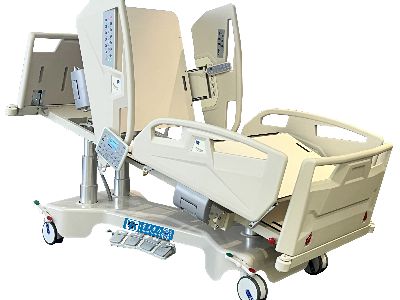
The integration of bed exit alarms into electric medical bed platforms is essential for enhancing patient safety and improving hospital workflow. With over 12 years of experience, Jiangsu Youngcoln Medical specializes in manufacturing durable hospital furniture, including electric medical bed equipped with advanced bed exit alarm systems. This article addresses common concerns B2B buyers may have, such as sourcing, technical specifications, installation, and troubleshooting, providing valuable insights to facilitate informed purchasing decisions.
Sourcing Quality Bed Exit Alarms
When sourcing bed exit alarms for electric medical beds, buyers should prioritize manufacturers with a proven track record in medical equipment. Look for alarms that meet regulatory standards, such as CE certification and FDA registration, ensuring compliance with safety and quality requirements. Consider suppliers like Jiangsu Youngcoln Medical, which has extensive experience in the industry and offers a range of alarm systems tailored for various medical applications.
Buyers should evaluate the reliability and durability of the alarms, as these devices are crucial for monitoring patient movement and preventing falls. Request information about the materials used in the alarms, their lifespan, and any performance guarantees. Understanding the supply chain and lead times from manufacturers can also help in planning inventory and ensuring timely delivery.
Technical Specifications of Bed Exit Alarms for Medical Use
Technical specifications play a critical role in the effectiveness of bed exit alarms. Key specifications to consider include:
Sensitivity Levels: Alarms should have adjustable sensitivity to minimize false alarms while ensuring timely alerts for patient movement.
Power Source: Consider whether the alarm operates on batteries or requires a direct power supply. Battery-operated models can provide flexibility in placement but require regular maintenance.
Connection Options: Ensure compatibility with the electric medical bed platform. Some alarms may integrate wirelessly, while others might require wired connections.
Sound Levels and Alerts: Evaluate the volume levels of alarms to ensure they are audible in a busy hospital environment.
Selecting alarms with appropriate specifications will enhance patient monitoring capabilities and reduce the risk of accidents.
Evaluating the Quality of Bed Exit Alarms in Hospital Furniture
Quality evaluation of bed exit alarms is crucial for ensuring reliable performance. When assessing these devices, buyers should consider:
Durability: Alarms should be constructed from robust materials to withstand the rigors of a hospital environment. Check for certifications that verify durability under regular use.
Testing Standards: Inquire about the testing procedures the alarms have undergone. Manufacturers should provide documentation demonstrating compliance with relevant safety standards.
User Feedback: Gather insights from healthcare professionals who have used the alarms. Their experiences can provide valuable information about the performance and reliability of specific models.
Additionally, consider the warranty and after-sales support offered by the manufacturer. A reputable supplier, like Jiangsu Youngcoln Medical, provides excellent after-sales service, ensuring that any issues can be promptly addressed.
Installation Guidance for Bed Exit Alarms on Electric Beds
Proper installation of bed exit alarms is key to their functionality. Here are essential steps to follow:
Review Manufacturer Instructions: Each alarm system will come with specific installation guidelines. Ensure that all staff involved in the installation are familiar with these instructions.
Positioning: The alarm should be positioned in a way that it effectively detects patient movement without being obstructed. This often involves placing sensors at the foot of the bed.
Connection Setup: For wired models, ensure secure connections to the electric medical bedding platform. For wireless alarms, confirm that the signal strength is adequate in the intended installation area.
Testing Post-Installation: After installation, conduct thorough testing to ensure the alarm functions correctly. This includes checking sensitivity settings and response times.
Proper installation will ensure that the bed exit alarms perform optimally, enhancing patient safety and hospital efficiency.
Common Problems with Bed Exit Alarms and Their Solutions
Despite their effectiveness, bed exit alarms can encounter issues. Common problems include:
False Alarms: This issue can arise from overly sensitive sensors or improper installation. Adjusting sensitivity settings or repositioning the sensors can often resolve this.
Power Failures: For battery-operated models, regular maintenance is essential. Establish a routine for checking battery levels and replacing batteries as needed.
Connectivity Issues: Wireless alarms may experience connectivity problems due to signal interference. Ensure that the alarm's placement minimizes obstacles between the sensor and the alarm unit.
Having a troubleshooting guide or support from the manufacturer can significantly simplify resolving these issues. Jiangsu Youngcoln Medical is committed to providing comprehensive support, helping clients tackle common problems effectively.
By understanding the integration of bed exit alarms for electric medical bed platforms, B2B buyers can make informed decisions that enhance patient safety and improve hospital operations. This knowledge is crucial when evaluating potential suppliers and ensuring that the selected systems meet all operational and regulatory requirements.