
 EN


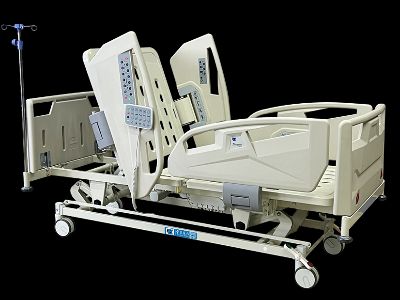
Understanding the distinction between medical bed safe working load and maximum patient weight is essential for healthcare facilities. As a critical factor in patient care and safety, these specifications guide purchasing decisions, ensuring that the selected medical beds meet the needs of patients while complying with safety regulations. This article will clarify how to choose the right medical bed based on weight limits, evaluate the differences between safe working load and maximum weight, and offer key considerations for making informed purchasing choices.
How to Choose the Right Medical Bed for Patient Weight Limits?
Selecting the appropriate medical bed involves understanding the weight limits that ensure both patient safety and optimal performance of the bed. The first step is to assess the specific needs of your facility. Consider the average weight of patients, as well as the potential for weight fluctuations due to medical conditions. When choosing a electric medical bed, look for beds that clearly state both the safe working load and maximum patient weight. The safe working load typically refers to the total weight that a bed can safely support during use, including the patient and any additional equipment, such as monitoring devices or bedding. The maximum patient weight, on the other hand, is the highest weight a bed is designed to accommodate. For instance, if your facility regularly handles patients with higher body weights, it’s prudent to opt for a bed with a higher safe working load to ensure durability and safety. Always verify these specifications with the manufacturer to ensure compliance with your facility's operational requirements.
Evaluating Safe Working Load vs. Maximum Weight for Medical Beds
Understanding the difference between safe working load and maximum weight is crucial for making informed decisions. The safe working load is generally set higher than the maximum patient weight to accommodate additional factors such as movement during transfers and the weight of any accessories used with the bed. For example, if a electric medical beds for home has a maximum patient weight of 250 kg (550 lbs), the safe working load might be rated at 300 kg (660 lbs). This indicates that while the bed can support a patient up to 250 kg, it can handle up to 300 kg to account for equipment and movement. When evaluating these specifications, consider how they align with your patient demographics. If your hospital serves a diverse patient population, ensure that the safe working load allows for variations in patient weight and any additional equipment that might be in use.
Key Considerations
When purchasing medical beds, several key factors should be taken into account:
Patient Demographics: Understand the weight distribution of your patient population. If your facility frequently accommodates heavier patients, prioritize beds with higher safe working loads and maximum weight limits.
Material Quality: The materials used in the construction of the bed frame and components can significantly affect the weight limits. High-quality, durable materials like steel or reinforced plastics can provide better support.
Customization Options: Some facilities may require customized beds to meet specific patient needs. Discuss customization options with your manufacturer to ensure that the bed can support the required weight limits while maintaining functionality.
Testing and Certification: Ensure that the beds meet relevant safety and quality certifications, such as CE certification or FDA registration, to guarantee compliance with industry standards.
Warranty and Support: A strong warranty, like the three-year guarantee offered by Jiangsu Youngcoln Medical, can provide peace of mind regarding the product’s longevity and reliability.
Safety and Compliance Tips
To ensure safety and compliance when selecting medical beds, consider the following tips:
Regular Inspections: Conduct routine checks to verify that the beds are functioning correctly and that weight limits are not being exceeded. This ensures ongoing safety for both patients and staff.
Training Staff: Ensure that all staff members are trained on the proper use of automatic medical bed, including understanding weight limits and how to safely transfer patients.
Documentation: Keep thorough records of all inspections, maintenance, and patient weight data to help identify any potential issues early on.
Manufacturer Guidelines: Always adhere to the manufacturer's guidelines regarding weight capacities and usage to avoid accidents or equipment failure.
Safe Load and Patient Weight Insights
When looking at safe load and patient weight, it’s important to recognize that these metrics are not just numbers; they influence the overall patient experience and safety. A bed with an inadequate safe working load can lead to serious consequences, including bed failure or patient injury. In practice, hospitals should maintain an inventory of beds that can accommodate a variety of patient weights. This not only enhances patient safety but also improves operational efficiency. For example, if a facility frequently needs to accommodate patients with varying weights, having a range of beds with different safe working loads will streamline patient care. Furthermore, consider the implications of patient mobility on bed weight limits. Patients who require assistance may exert additional force on the bed during transfers. Therefore, selecting a medical bed with a safe working load that exceeds the maximum patient weight is advisable, especially in facilities with higher patient mobility needs. In summary, understanding the nuances between medical bed safe working load and maximum patient weight is crucial for healthcare facilities. By evaluating these specifications carefully and considering patient needs, facilities can make informed decisions that enhance safety and improve patient care.