
 EN


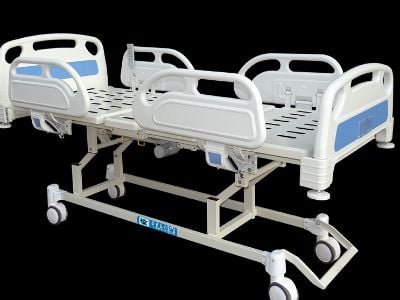
Understanding mattress platform geometry and pressure distribution in electric beds is crucial for healthcare facilities aiming to enhance patient comfort and safety. As purchasing managers or distributors, your main concerns likely include the product's specifications, performance under various weight loads, and its compatibility with existing hospital furniture. This article will provide insights into evaluating mattress platforms, key specifications to consider, installation guidance, common pressure distribution issues, and factors influencing sourcing costs.
Evaluating Mattress Platforms for Bulk Orders
When considering bulk orders for electric bed mattress platforms, several factors come into play. First, assess the geometry of the mattress platform, which includes its shape, dimensions, and structural design. These factors greatly influence how weight is distributed across the surface, affecting both comfort and support for patients. Additionally, consider the material composition of the mattress platform. Common materials include high-density foam, latex, and memory foam, each offering different levels of support and durability. For bulk orders, it’s vital to verify the manufacturer’s ability to deliver consistent quality across all units, as variations can lead to uneven support and discomfort. Another important factor is the minimum order quantity (MOQ). Understanding this will help you plan your purchase budget and ensure you meet your facility's needs without over committing resources. Jiangsu Youngcoln Medical, with over 12 years of experience in manufacturing durable hospital furniture, can provide competitive pricing and reliable supply for bulk orders.
Key Specifications of Electric Bed Mattress Platforms to Consider
When evaluating electric bed mattress platforms, key specifications include load capacity, pressure distribution characteristics, and dimensions. The load capacity should be assessed against the expected weight of patients, including any additional equipment that may be used. Pressure distribution is critical for preventing bedsores and ensuring patient comfort. Platforms designed with specific geometries can better conform to the body, distributing weight evenly and reducing localized pressure points. It's advisable to look for platforms that have been tested for pressure distribution effectiveness, as this will directly impact patient care. Dimensions, including length, width, and height, should also align with the specific electric bed for elderly being used. Ensure that the mattress platform fits securely within the bed frame to prevent gaps that could pose safety risks. Jiangsu Youngcoln Medical offers CE-certified products, ensuring compliance with quality and safety standards.
Installation Guidance for Electric Bed Mattress Platforms
Installing electric bed mattress platforms requires careful attention to detail to ensure safety and functionality. Begin by reviewing the installation instructions provided by the manufacturer, as these will vary based on the platform design. Key steps generally include securing the platform to the bed frame, ensuring electrical connections are properly made, and checking for stability before use. It’s also recommended to have a qualified technician perform the installation if your staff lacks experience with such equipment. This minimizes the risk of improper setup, which could lead to malfunction or safety hazards. During installation, double-check the alignment and fit of the mattress platform within the electric bed for patient framework, as a poor fit can lead to operational issues. After installation, conduct a thorough inspection to ensure all components are functioning correctly. Test the electric adjustments to confirm they operate smoothly and the mattress platform maintains its shape and integrity under load.
Common Problems with Mattress Pressure Distribution and Solutions
Pressure distribution issues can arise from improper mattress platform geometry or material selection. Common problems include uneven weight distribution, which can lead to pressure sores in patients, and discomfort during prolonged use. To address these issues, ensure that the mattress platform is designed with pressure-relieving features, such as contouring capabilities that adapt to a patient's body shape. Additionally, regularly assess the mattress for wear and sagging, as these factors can significantly diminish its effectiveness over time. If you encounter ongoing issues with pressure distribution, consider consulting with the manufacturer for potential solutions, such as replacement or upgraded electric bed in hospital mattress platforms. Jiangsu Youngcoln Medical is committed to providing excellent after-sales service, which can help resolve any concerns related to product performance.
Cost Factors to Consider When Sourcing Electric Bed Platforms
When sourcing electric bed mattress platforms, numerous cost factors should be taken into account. The initial purchase price is just one aspect; consider the total cost of ownership, which includes installation, maintenance, and potential replacement. Material quality plays a significant role in determining the overall cost. High-quality materials may have a higher upfront price but can offer greater durability and lower long-term maintenance expenses. Additionally, inquire about warranty coverage, as this can indicate the manufacturer's confidence in their product’s longevity. Shipping costs and lead times are also essential considerations. Verify the manufacturer’s delivery capabilities and any additional fees that may apply for bulk orders. Ensure that you account for these factors in your budgeting process to avoid unexpected expenses. By carefully evaluating these elements, you can make informed decisions that align with your facility’s needs and budget constraints.