
 EN


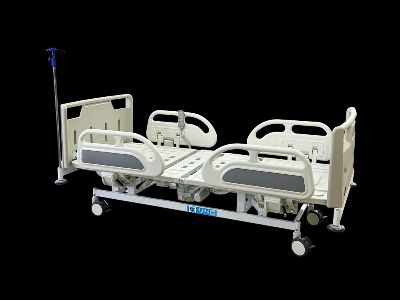
In the healthcare sector, clinical beds equipped with reverse Trendelenburg functions are crucial for patient care, particularly in surgical and recovery settings. This article will explore the significance of reverse Trendelenburg functions for clinical bed applications, addressing key considerations for purchasing managers and healthcare facility decision-makers. By understanding these functionalities, buyers can ensure better patient outcomes, optimal bed selection, and efficient procurement processes.
Understanding Reverse Trendelenburg Functions in Clinical Bed Applications
Reverse Trendelenburg positioning involves tilting the bed such that the patient's head is elevated while the legs remain lower. This position is particularly beneficial in various clinical scenarios, including respiratory distress, gastroesophageal reflux, and post-operative recovery. The functionality allows for improved respiratory function by reducing pressure on the diaphragm, enhancing venous return, and promoting better circulation. When evaluating clinical beds, consider the technical parameters associated with reverse Trendelenburg functions, such as the angle of elevation, the stability of the bed in this position, and the ease of adjustment. High-quality bed patient electric will offer smooth transitions between positions, which can significantly affect patient comfort and safety. Additionally, understand the material and construction of the bed frame when assessing its suitability for this function. A durable, stable framework is essential to support the varied weight of patients and withstand frequent adjustments without compromising safety.
How to Choose the Right Clinical Bed for Your Healthcare Facility?
Selecting the appropriate clinical bed involves assessing several key factors. First, identify the specific needs of your healthcare facility, including the types of patients you serve and the treatments you provide. For instance, hospitals needing to accommodate patients with respiratory issues will prioritize beds with reliable reverse Trendelenburg capabilities. Next, evaluate the bed’s specifications. Look for beds that can comfortably support the required weight limit and have adjustable height features to facilitate patient transfers. Consider the ease of use for nursing staff; intuitive controls for adjusting the bed position are crucial for swift responses to patient needs. Customization options also play a significant role in selection. Many manufacturers, including Jiangsu Youngcoln Medical, offer clinical bed that can be tailored based on your facility’s specific requirements, from color to additional features such as integrated scales or IV poles. Lastly, assess the after-sales support and warranty provided by the manufacturer. A three-year guarantee can provide peace of mind regarding the durability and reliability of your clinical beds.
What Buyers Need to Know?
When preparing to purchase clinical beds with reverse Trendelenburg functions, buyers should gather comprehensive information to facilitate an effective request for quotation (RFQ). Key details include:
Specifications: Request detailed specifications, including dimensions, weight capacity, and materials used in construction.
Customization requirements: Identify any specific features or modifications that may be needed for your facility.
Pricing factors: Understand how factors like quantity and customization impact pricing. Bulk orders may lead to discounts, so clarify minimum order quantities (MOQs).
Lead times: Inquire about production and delivery timelines, particularly if you have urgent needs due to hospital expansions or renovations.
Sample evaluation: Before finalizing a purchase, request a sample bed to test its functionality and comfort. This step is crucial for verifying that the bed meets all operational requirements.
By compiling this information, buyers can make informed decisions and engage in meaningful discussions with suppliers.
Where to Source Reliable Suppliers for Clinical Bed Solutions?
Finding reliable suppliers for clinical beds requires thorough research and consideration. Begin by exploring manufacturers with proven experience and certifications, such as CE marking and FDA registration, ensuring compliance with safety and quality standards.
Look for suppliers that specialize in medical furniture, as they are more likely to understand the unique needs of healthcare environments. Trade shows, healthcare conferences, and industry publications can be excellent resources for discovering reputable manufacturers.
Furthermore, consider supplier reviews and testimonials from other healthcare facilities. Engaging with existing customers can provide insights into the quality of products as well as the level of customer service offered.
Finally, reach out to multiple suppliers to compare their offerings. Discuss not only product specifications but also the support services they provide, such as installation guidance and after-sales service.
Installation Guidance for Reverse Trendelenburg Clinical Bed Systems
Proper installation of clinical beds, particularly those with reverse Trendelenburg functions, is crucial for ensuring safety and functionality. Here are key considerations for installation:
Site assessment: Evaluate the installation site for adequate space, accessibility, and proximity to power outlets for electronic beds. The area should allow sufficient room for staff to operate the bed comfortably and for emergency situations.
Assembly requirements: Follow the manufacturer's assembly instructions closely. If available, utilize the installation services offered by the supplier, as they will have the expertise to ensure everything is set up correctly.
Testing functionality: Once installed, test the reverse Trendelenburg function along with all other adjustable features. This step is essential to verify that the bed operates smoothly and safely under various conditions.
Staff training: Provide training for healthcare staff on how to operate the bed, including any specific safety features. Ensuring that staff are well-informed about the automatic hospital bed operations can prevent accidents and improve patient care.
Regular maintenance checks: Establish a maintenance schedule to ensure that all mechanical and electronic components are functioning correctly over time. This can include checking the bed for wear and tear, ensuring that the adjustment mechanisms are working smoothly, and addressing any issues promptly.
By following these guidelines, healthcare facilities can maximize the benefits of reverse Trendelenburg clinical beds, enhancing patient care and operational efficiency.