
 EN


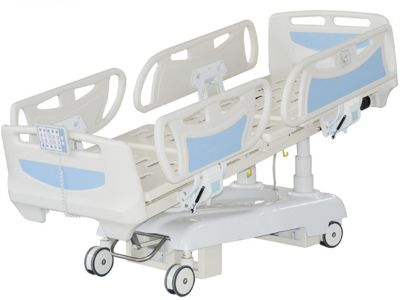
In the world of healthcare, OEM factory hospital beds play a critical role in patient care and comfort. These specialized beds are designed to meet diverse medical needs while ensuring safety and usability in hospital environments. For purchasing managers and healthcare administrators, understanding how to manage design changes across production stages can significantly impact the quality and functionality of hospital beds. This article will provide insights into the specifications of OEM factory hospital beds, guiding you through supplier selection, installation, cost considerations, and common production challenges
Understanding OEM Factory Hospital Bed Specifications for Buyers
When considering OEM factory hospital beds, buyers should pay close attention to specific product specifications that directly affect performance and patient safety. Key specifications include bed dimensions, weight capacity, adjustability features, and materials used in construction
For instance, a standard hospital bed typically measures around 90 inches long and 36 inches wide, but variations may exist to accommodate different patient needs. The weight capacity is crucial; most hospital beds can support up to 500 lbs, impacting the choice of materials and design. Additionally, adjustable features such as head and foot elevation can enhance patient comfort and facilitate easier medical procedures
Material selection is also vital. Common materials include steel for structural support, high-density foam for mattresses, and durable, easy-to-clean upholstery fabrics. Certification marks, such as CE and FDA registration, indicate compliance with safety standards, which is essential for hospital settings. Buyers should ensure that the specifications align with their facility's requirements and patient care protocols
How to Choose Reliable Suppliers for Hospital Bed Manufacturing
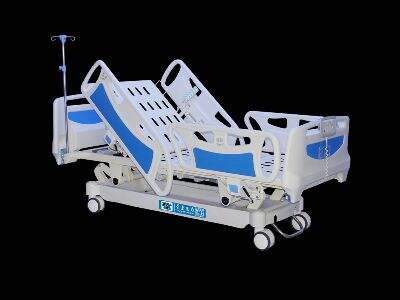
Selecting a reliable supplier for hospital bed manufacturing is a critical step in ensuring quality and consistency. Start by evaluating the supplier's experience and reputation in the industry. A manufacturer with over a decade of experience, like Jiangsu Youngcoln Medical, is likely to have refined their processes and quality control systems
Request detailed information about the supplier's manufacturing capabilities, including their production equipment and quality assurance processes. It's beneficial to visit the factory, if possible, to assess their operations firsthand. During this visit, pay attention to the cleanliness of the facility, the organization of the workflow, and how quality checks are performed at different production stages
Additionally, inquire about customization options. Hospital beds often require specific features tailored to a facility's needs, so a supplier's ability to provide these customizations can be a significant advantage. Finally, review after-sales support and warranty policies to ensure that you have assistance post-purchase
Installation Guidance for OEM Factory Hospital Beds
Proper installation of OEM factory hospital beds is essential to their functionality and longevity. Before installation, ensure that the area where the bed will be placed is clear and meets space requirements for movement and accessibility
Typically, hospital beds arrive partially assembled. It's important to follow the manufacturer’s installation instructions carefully. Key steps include securing the bed frame, attaching the wheels for mobility, and ensuring that all electrical components, if applicable, are connected correctly
After installation, check that all adjustable features function smoothly. Conduct a safety inspection by verifying that locking mechanisms on wheels and height adjustments operate correctly. This is particularly important in a hospital environment where patient safety is paramount. Training staff on proper operation and maintenance can also enhance the lifespan and reliability of the beds
Cost Factors to Consider When Purchasing Hospital Beds Wholesale
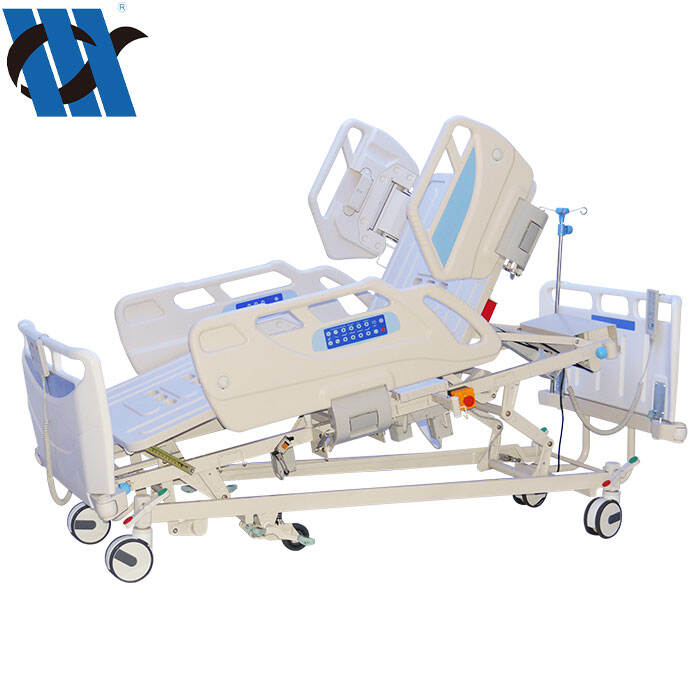
When purchasing hospital beds wholesale, various cost factors must be evaluated to make an informed decision. The initial purchase price is important, but buyers should also consider total cost of ownership, which includes maintenance, warranty, and potential replacement costs
Material quality significantly impacts cost. For instance, beds made from higher-grade steel may have a higher upfront cost but offer greater durability and lower maintenance expenses over time. Additionally, consider the cost of customization options when comparing suppliers
Shipping and logistics should also be factored into the total cost. Evaluate whether the supplier offers inclusive shipping services or if there will be additional charges. Lastly, pay attention to minimum order quantities (MOQ) as purchasing in bulk may provide discounts but could also lead to excess inventory if demand fluctuates
Common Problems in Hospital Bed Production and Their Solutions
In the manufacturing of hospital beds, several common issues can arise, impacting both quality and delivery timelines. One frequent problem is material shortages. To mitigate this, it's advisable to establish strong relationships with multiple suppliers for critical components, ensuring that production can continue smoothly
Another challenge is the complexity of customizations. Miscommunications regarding specific requirements can lead to production delays or the need for rework. To address this, maintain clear and frequent communication with the manufacturer, ensuring that all specifications are documented and confirmed before production begins
Quality control is equally crucial. Implementing a robust quality assurance process can help identify defects early in the production process. Regular inspections and sample testing of finished products can prevent defective units from reaching the market
By being aware of these common challenges and their solutions, buyers can work more effectively with manufacturers to ensure that the final products meet their expectations and industry standards
In summary, managing design changes across production stages of OEM factory hospital beds involves understanding specifications, selecting reliable suppliers, ensuring proper installation, evaluating cost factors, and addressing common production issues. By keeping these elements in mind, healthcare facilities can enhance patient care through high-quality, durable hospital beds
Table of Contents
- Understanding OEM Factory Hospital Bed Specifications for Buyers
- How to Choose Reliable Suppliers for Hospital Bed Manufacturing
- Installation Guidance for OEM Factory Hospital Beds
- Cost Factors to Consider When Purchasing Hospital Beds Wholesale
- Common Problems in Hospital Bed Production and Their Solutions