
 EN


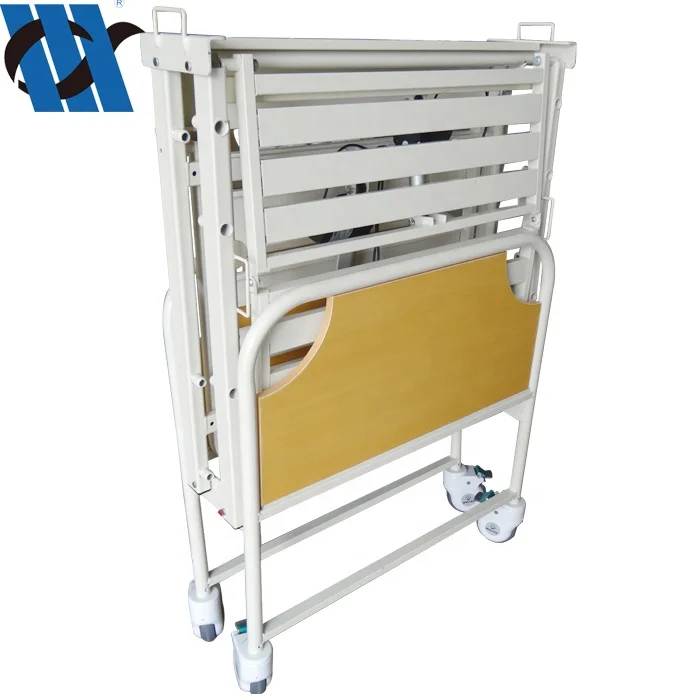
Building a robust multi-stage inspection system is crucial for hospital bed manufacturers like Jiangsu Youngcoln Medical. This system ensures that each bed meets stringent quality standards, enhancing patient safety and operational efficiency. Understanding how these manufacturers implement such systems can help buyers make informed decisions when selecting hospital beds for their facilities. This article will address key specifications, quality evaluation processes, reliable suppliers, cost considerations, and essential information buyers need when sourcing durable hospital beds.
Key Specifications for Durable Hospital Beds from Manufacturers
When evaluating hospital beds, buyers should pay close attention to several key specifications that indicate durability and performance.
Material Quality: Electric hospital bed are typically constructed from steel or aluminum frames to ensure strength and stability. The choice of material affects not only the bed's lifespan but also its resistance to corrosion and ease of cleaning.
Weight Capacity: A bed's weight capacity is crucial for safety. Most hospital beds should support at least 250 kg to accommodate a wide range of patients. Manufacturers like Jiangsu Youngcoln Medical ensure their beds meet or exceed this requirement for added assurance.
Adjustability Features: Buyers should consider beds with adjustable height, backrest, and leg sections, allowing for easier patient care and comfort. Hydraulic or electric adjustment mechanisms can enhance usability for caregivers.
Surface Treatment: The finishing on hospital beds impacts hygiene and maintenance. A powder-coated finish is often preferred as it provides a smooth surface that resists bacteria and is easy to clean.
Certifications: Ensure that the hospital beds comply with relevant healthcare regulations and standards, such as CE certification and FDA registration. These certifications indicate that the products have undergone rigorous testing for safety and efficacy.
How to Evaluate Quality in Hospital Bed Manufacturing Processes
Quality assurance in hospital bed manufacturing involves several critical steps that buyers should understand.
Multi-Stage Inspection Systems: A robust multi-stage inspection system is essential for ensuring that every aspect of the automatic hospital bed meets quality standards. This typically includes inspections at various phases of production from raw material sourcing to final assembly. For example, Jiangsu Youngcoln Medical implements inspections for weld integrity, material defects, and functionality testing.
Quality Control Standards: Manufacturers should adhere to ISO certification standards, which dictate quality management practices. Buyers can request documentation confirming adherence to these standards, which can provide peace of mind regarding the reliability of the beds.
Testing Procedures: Before mass production, manufacturers should conduct rigorous testing on prototypes to evaluate their performance under different conditions. This includes stress testing for weight capacity and usability testing for adjustability features.
Feedback Mechanisms: Establishing a feedback loop from users can help identify common issues and improve the design and functionality of hospital beds. Manufacturers who actively seek customer feedback demonstrate a commitment to product improvement.
Where to Find Reliable Suppliers of Multi-Stage Inspection Beds
Finding trustworthy suppliers for multi-stage inspection hospital beds involves thorough research and evaluation.
Industry Directories: Utilize resources such as medical equipment directories or industry trade shows to identify potential suppliers. These platforms often feature manufacturers with a proven track record in quality and innovation.
Certifications and Accreditations: Look for suppliers with relevant certifications, such as ISO and CE, which indicate compliance with international quality standards. Jiangsu Youngcoln Medical’s CE certification and FDA registration are examples of credentials that enhance trustworthiness.
Customer Reviews and Case Studies: Investigate customer testimonials and case studies to gain insights into the supplier's performance and reliability. Feedback on after-sales service and product quality can be particularly telling.
Direct Communication: Engage with potential suppliers directly to discuss their manufacturing processes, quality control measures, and customization capabilities. This conversation can reveal their commitment to quality and responsiveness to buyer needs.
Cost Factors to Consider When Ordering Hospital Beds in Bulk
Several cost factors come into play when ordering homecare hospital bed in bulk, impacting overall pricing and procurement.
Material Costs: Fluctuations in raw material prices can significantly affect the final cost. Buyers should inquire about the material sourcing strategies employed by the manufacturer to understand potential price variations.
Customization Requirements: Custom features, such as specific dimensions or additional functionalities, can lead to increased costs. Clearly defining requirements upfront can help manufacturers provide accurate quotations.
Order Quantity: Many manufacturers offer tiered pricing based on order volume. Buyers should negotiate pricing structures based on anticipated order quantities to take advantage of bulk purchase discounts.
Shipping and Handling: Consider the shipping costs associated with large orders, especially if the beds are being shipped internationally. Understanding the logistics involved can help buyers budget appropriately.
After-Sales Service: Factor in the cost of after-sales support and warranty services. Manufacturers like Jiangsu Youngcoln Medical offer warranties that can provide additional value over the product's lifespan.
What Buyers Need
When preparing to source hospital beds, buyers should gather essential information to facilitate a smooth purchasing process.
Specifications and Requirements: Compile a detailed list of required specifications, including bed type, dimensions, weight capacity, and any necessary customization. This clarity will help manufacturers provide accurate quotes.
Request for Quotation (RFQ): When sending out RFQs, include information about desired quantities, delivery timelines, and any specific regulatory compliance needs. A comprehensive RFQ helps suppliers understand your needs better.
Sample Approval: Prior to mass production, request samples to verify that the beds meet your specifications. Testing samples for comfort, functionality, and durability under real conditions can prevent costly mistakes later.
Supplier Evaluation Criteria: Establish criteria for evaluating suppliers, including quality assurance processes, production capabilities, and customer service. Assessing these factors will help ensure a reliable partnership.
Regulatory Compliance: Confirm that the motorized hospital bed comply with local healthcare regulations and standards. This confirmation is vital for ensuring patient safety and legal compliance within healthcare facilities.
By understanding these elements, buyers can make informed decisions when sourcing hospital beds, ensuring that they select high-quality products that meet their operational needs.