
 EN


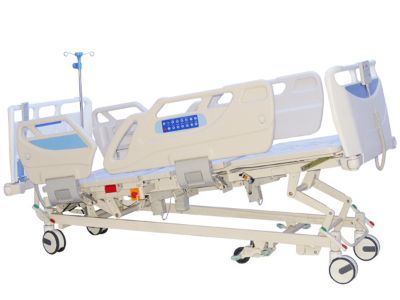
Load testing is a critical process that ensures the structural safety of factory hospital beds, which are essential in medical settings for patient care. As a purchasing manager or distributor, understanding how load testing verifies the integrity of these automatic hospital bed can help you make informed decisions when sourcing products. This article explores the significance of load testing, key specifications involved, what wholesale buyers should know about standards, common testing challenges, and how to find reliable suppliers for load-tested hospital beds.
How Load Testing Ensures Hospital Bed Structural Integrity?
Load testing involves applying a specified weight to a hospital bed to assess its ability to support patients and withstand operational stresses. This testing is crucial because electric hospital bed must not only be comfortable but also safe for patients, especially in emergency situations. The load testing process simulates real-world conditions, ensuring that the beds can handle the maximum weight they may encounter during use.
For manufacturers like Jiangsu Youngcoln Medical, conducting thorough load testing is not just a regulatory requirement; it's also a commitment to quality and patient safety. Beds that pass load tests demonstrate structural integrity, ensuring they won't fail under pressure. This reliability is particularly important in settings where patient mobility is limited, and the risk of accidents must be minimized.
Key Specifications for Reliable Load Testing of Hospital Beds
When assessing hospital beds for load testing, several key specifications are crucial:
Weight Capacity: This is the maximum weight the bed can support safely. It's essential to verify that the bed can accommodate the heaviest patients, including any additional equipment they may require.
Material Strength: The materials used in bed construction such as steel frames or composite materials, impact how well the heavy duty hospital bed can withstand stress. High-strength materials enhance durability and longevity.
Design Stability: The bed's design, including its frame geometry and support points, contributes to overall stability. A well-designed bed will distribute weight evenly to prevent structural failure.
Safety Features: Additional features like locking mechanisms for wheels and adjustable components should also be tested to ensure they perform reliably under load.
Understanding these specifications helps buyers evaluate a bed's performance and suitability for their specific applications, ensuring safety and compliance with medical standards.
What Wholesale Buyers Need to Know About Load Testing Standards?
Wholesale buyers should be aware of the various standards governing load testing for hospital beds. In many regions, compliance with international standards, such as ISO 13485 for medical devices or local regulations, ensures that products meet safety and quality benchmarks.
It's advisable for buyers to request documentation that verifies a product's compliance with these standards. This may include test reports, certifications, and quality assurance processes. Engaging with suppliers who prioritize certification and testing will help ensure that the beds you purchase are safe for use in medical environments.
Moreover, understanding the load testing process and the standards applied can also give buyers leverage in negotiations, as they can ask for specifics about testing methods and results, ensuring transparency in the procurement process.
Common Problems in Hospital Bed Load Testing and Their Solutions
Several common issues can arise during load testing of hospital beds, impacting the reliability of results:
Inconsistent Testing Conditions: Variations in load testing conditions, such as temperature and humidity, can affect material performance. To mitigate this, tests should be conducted in controlled environments that mirror real-world usage conditions.
Insufficient Weight Application: Sometimes, beds are not subjected to the full range of expected loads during testing. Buyers should ensure that the testing protocols include maximum weight scenarios to accurately assess performance.
Poor Documentation: Inadequate record-keeping can lead to gaps in understanding a bed's testing history. Suppliers should maintain detailed logs of all testing performed, including methodologies and results, to provide transparency to buyers.
Material Fatigue: Over time, materials can degrade, impacting load capacity. Regular inspections and re-testing of beds after a certain period of use can help identify potential issues before they become critical.
Addressing these problems requires collaboration between buyers and manufacturers. Establishing clear communication about testing protocols and expectations can help ensure that hospital beds meet the necessary safety standards.
Where to Source Reliable Suppliers for Load Tested Hospital Beds?
Finding reliable suppliers for load-tested hospital beds involves assessing several key factors:
Reputation and Experience: Look for manufacturers like Jiangsu Youngcoln Medical, who have extensive experience in producing hospital furniture. Their reputation in the industry can be an indicator of product quality.
Certifications and Compliance: Ensure that the suppliers you consider hold relevant certifications, such as CE and FDA registration, which signify that their products meet stringent safety and quality standards.
Quality Assurance Processes: Inquire about the vendor's quality control measures, including their approach to load testing. A robust QA process will likely involve thorough and repeatable testing on each product line.
Customer Support and After-Sales Service: Reliable suppliers should provide excellent after-sales support, assisting with any issues or questions that arise post-purchase. This support is invaluable in maintaining operational efficiency.
Customization Capabilities: Depending on your clients' needs, you may require beds with specific features or configurations. Suppliers who can offer customization options will be better suited to meet diverse requirements.
By evaluating suppliers against these criteria, you can source durable hospital beds that fulfill load testing requirements and enhance patient safety in healthcare environments.
Table of Contents
- How Load Testing Ensures Hospital Bed Structural Integrity?
- Key Specifications for Reliable Load Testing of Hospital Beds
- What Wholesale Buyers Need to Know About Load Testing Standards?
- Common Problems in Hospital Bed Load Testing and Their Solutions
- Where to Source Reliable Suppliers for Load Tested Hospital Beds?