
 EN


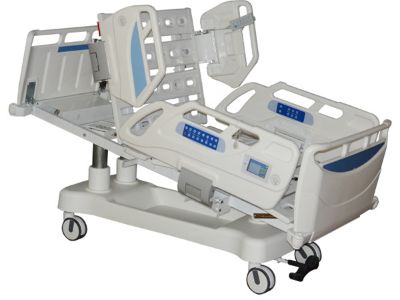
Ensuring the consistent performance of factory hospital beds is crucial for healthcare settings, where reliability directly impacts patient care. One key factor in achieving this consistency is linear actuator testing, which plays a vital role in maintaining optimal operation of these vital medical devices. This article will delve into how linear actuator testing enhances automatic hospital bed reliability, key specifications to consider in their design, effective comparison methods for optimal performance, common issues faced, and the costs associated with integrating these actuators into hospital beds.
How Linear Actuator Testing Enhances Hospital Bed Reliability?
Linear actuators are essential components in hospital beds, enabling adjustments in height, tilt, and position to accommodate patient needs. Testing these actuators ensures that they function as intended, minimizing the risk of failure during operation. Rigorous testing protocols evaluate various factors such as load capacity, response times, and safety features. For instance, a linear actuator must be able to lift a specified weight consistently without overheating or malfunctioning.
By implementing comprehensive testing procedures, manufacturers like Jiangsu Youngcoln Medical can guarantee that their hospital beds meet high-performance standards. This not only boosts reliability but also instills confidence in purchasing managers and healthcare providers regarding the equipment they are investing in. Ensuring that each actuator is thoroughly tested before installation helps prevent operational disruptions that could affect patient care.
Key Specifications for Linear Actuators in Hospital Bed Design
When designing hospital beds, specific linear actuator specifications must be considered to ensure optimal performance. Key specifications include:
Load Capacity: The actuator must be capable of supporting the weight of the bed and the patient. It's essential to select actuators with a load capacity that exceeds the maximum expected weight to prevent failures.
Stroke Length: This determines the range of movement for the bed adjustments. A longer stroke length allows for a wider range of positions, enhancing patient comfort and accessibility.
Speed: The speed at which the actuator operates is critical, especially in emergency situations. Actuators should respond quickly to adjustments, reducing wait times for patients and caregivers.
Voltage and Power Consumption: The actuator's power requirements should align with the hospital's electrical infrastructure. Efficient models can help reduce overall energy costs.
Durability and Environmental Resistance: Hospital settings can be demanding environments. Actuators should be resistant to moisture, chemicals, and wear to ensure longevity.
Understanding these specifications enables buyers to select the appropriate actuators that will not only fit their electric hospital bed designs but also ensure long-term reliability and performance.
How to Compare Linear Actuators for Optimal Bed Performance?
When evaluating linear actuators for hospital beds, buyers should consider several factors to make informed comparisons:
Manufacturer Reputation: Research manufacturers to assess their experience and quality control processes. Established companies like Jiangsu Youngcoln Medical, with over 12 years of experience, often provide more reliable products.
Testing Certifications: Look for actuators that have undergone rigorous testing and hold relevant certifications (e. g., CE, FDA). These certifications provide assurance of product safety and effectiveness.
Warranty and Support: A strong warranty, like the three-year guarantee offered by Jiangsu Youngcoln Medical, indicates manufacturer confidence in their products. Additionally, evaluate the quality of after-sales support, which can be crucial for addressing any operational issues.
Performance Data: Request performance metrics such as load testing results and operational speed. This data can help benchmark different actuators against each other.
Customization Options: Depending on specific hospital needs, the ability to customize actuators can be a significant advantage. Ensure the manufacturer can accommodate unique design requirements.
By focusing on these factors, purchasing managers can make well-informed decisions that enhance the performance and reliability of hospital beds.
Common Problems with Linear Actuators and Effective Solutions
Even the best linear actuators can encounter issues over time. Common problems include:
Overheating: Continuous use at maximum load can lead to overheating. To mitigate this, ensure that actuators are properly rated for the expected load and consider implementing cooling mechanisms.
Mechanical Failure: Wear and tear can result in mechanical failures. Regular maintenance checks and timely replacement of worn components can prevent unexpected breakdowns.
Electrical Issues: Faulty wiring or power supply inconsistencies can disrupt actuator function. Employing quality electrical components and thorough testing during assembly can minimize these risks.
Incompatibility Issues: Sometimes, actuators may not integrate seamlessly with existing bed designs. Manufacturers should provide compatibility assessments during the selection process to avoid mismatches.
Addressing these common problems proactively helps maintain the reliability of hospital beds, ensuring they can perform their intended functions without interruption.
Understanding the Costs of Linear Actuator Integration in Beds
Integrating linear actuators into hospital beds involves various cost considerations that buyers should evaluate:
Initial Purchase Price: While it might be tempting to opt for lower-cost actuators, it is essential to consider the long-term value versus initial expenditure. Higher-quality actuators may reduce maintenance costs and downtime.
Installation Costs: Depending on the complexity of the actuator system, installation costs can vary. Buyers should assess whether the manufacturer provides installation services or if additional costs will be incurred.
Operational Costs: Evaluate the energy consumption of the actuators. More efficient models can significantly reduce electricity costs over time.
Maintenance and Replacement Costs: Regular maintenance is crucial for ensuring longevity. Factor in potential costs for servicing and component replacements to budget appropriately.
Warranty Coverage: A robust warranty can offset long-term costs, providing peace of mind that any issues will be addressed without significant financial impact.
By understanding these costs, purchasing managers can better align their budgets with the performance and reliability needs of their fully electric hospital bed, ultimately contributing to improved patient care and operational efficiency.
Table of Contents
- How Linear Actuator Testing Enhances Hospital Bed Reliability?
- Key Specifications for Linear Actuators in Hospital Bed Design
- How to Compare Linear Actuators for Optimal Bed Performance?
- Common Problems with Linear Actuators and Effective Solutions
- Understanding the Costs of Linear Actuator Integration in Beds