
 EN


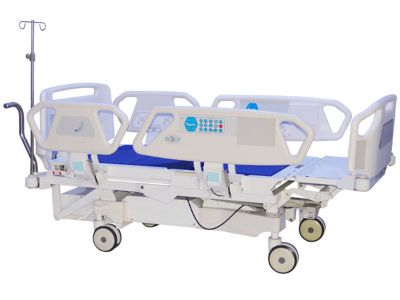
The quality of welding in hospital beds is crucial, as it directly influences their structural performance and longevity. For purchasing managers and hospital administrators, understanding how welding quality affects the durability and safety of these essential medical devices is paramount. This article will delve into the implications of welding quality on hospital beds, providing insights into key specifications, cost considerations, and quality control measures to help in making informed purchasing decisions
How Welding Quality Impacts the Durability of Hospital Beds
Welding quality is fundamental to the structural integrity of hospital beds, which must withstand rigorous daily use in challenging environments. High-quality welds contribute to the overall strength and stability of the frame, ensuring that the bed can support the weight of patients and withstand the stress of frequent adjustments. Poor welding can lead to structural failures, which not only compromise patient safety but also result in increased maintenance costs and potential legal liabilities
A well-executed weld creates a strong bond between components, which is critical for preventing issues such as misalignment and fatigue over time. For instance, a bed with inadequate welds may experience cracking at the joints, leading to failures that could endanger patients. Therefore, evaluating the welding techniques used in manufacturing hospital beds is essential for ensuring long-term durability
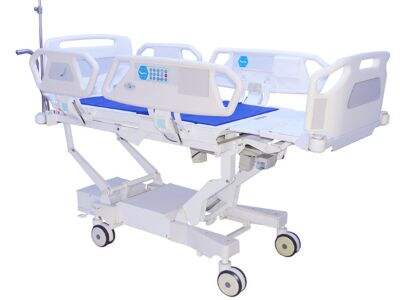
Key Specifications for Evaluating Hospital Bed Welding Standards
When assessing the welding quality of hospital beds, several specifications should be taken into account
Weld Type: Different types of welds (such as, MIG, TIG) have varying strengths and applications. Buyers should consider which type is best suited for the bed's intended us
Weld Size: The size of the weld directly impacts its strength. Larger welds generally offer greater load-bearing capacity but must still adhere to industry standards
Material Compatibility: The materials being welded together must be compatible to ensure a strong bond. For example, stainless steel components should be welded with techniques suited to that material to avoid issues like corrosion
Penetration Depth: Adequate penetration ensures that the weld bonds deeply into the joint, enhancing overall strength
Finish Quality: A smooth finish with no visible defects indicates a higher quality weld, which can reduce the risk of fatigue and failure
By rigorously evaluating these specifications, purchasing managers can better ensure that the hospital beds they procure meet the necessary quality standards for safety and durability
Understanding the Cost Implications of Welding Quality in Manufacturing
Investing in high-quality welding processes may result in higher upfront costs; however, this investment can lead to significant savings over time. Beds manufactured with superior welds tend to require less maintenance and have a longer service life, which reduces replacement costs. Additionally, high-quality welding minimizes the risk of structural failures that could lead to costly legal claims or hospital downtime
When evaluating suppliers, it is essential to consider the total cost of ownership rather than just the initial purchase price. Factors such as warranty terms, expected lifespan, and the potential costs associated with repairs or replacements should all be factored into the decision-making process. Buyers should inquire about the manufacturer's welding standards and the training provided to welders, as this can indicate the level of quality assurance in the production process
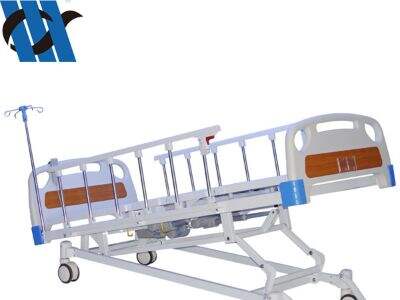
Installation Guidance for Quality-Assured Hospital Bed Structures
Proper installation of hospital beds is as crucial as the quality of the welding itself. A well-installed bed ensures that all components work together optimally, maximizing the benefits of high-quality welding. Here are some installation considerations
Leveling: Ensure that the bed is installed on a level surface. Uneven surfaces can stress the welds and lead to premature failure
Load Distribution: Be aware of how the bed will be used, including the weight of patients and additional equipment. Proper load distribution prevents undue stress on welds
Regular Inspections: Implement a routine inspection protocol to check for any signs of wear or stress at the weld points. Early detection of issues can prevent more significant problems down the line
Manufacturer Guidelines: Always follow the installation guidelines provided by the manufacturer. These instructions are designed to ensure that the bed functions as intended and that the integrity of the welds is maintained
By adhering to these installation guidelines, healthcare facilities can ensure that their hospital beds remain safe and reliable over their lifespan
How to Ensure Quality Control in Hospital Bed Manufacturing Processes
Quality control is a critical aspect of manufacturing hospital beds, particularly with respect to welding. Here are key practices to ensure the highest quality standards
Inspection Protocols: Implement rigorous inspection protocols throughout the manufacturing process, including pre-weld inspections, in-process checks, and post-weld evaluations. This helps catch potential issues early
Certifications: Look for manufacturers that adhere to recognized quality standards, such as ISO certifications. These certifications often indicate a commitment to maintaining high-quality production processes
Training and Skill Development: Ensure that welders are properly trained and certified in the welding techniques appropriate for hospital bed manufacturing. Continuous education on new technologies and methods can enhance product quality
Supplier Quality Assurance: If sourcing materials from external suppliers, ensure that they also adhere to high-quality standards. Quality assurance should extend beyond the manufacturer to include all components that go into the final product
Feedback Loop: Establish a feedback loop with end-users to gather insights on product performance. This information can be invaluable in identifying areas for improvement in both welding techniques and overall design
By focusing on these quality control measures, manufacturers can significantly improve the structural performance and reliability of their hospital beds while ensuring patient safety
Understanding how welding quality affects the structural performance of factory hospital beds is vital for making informed purchasing decisions. By considering factors such as welding specifications, cost implications, installation practices, and quality control processes, purchasing managers can ensure that they select durable and reliable hospital furniture that meets the demands of healthcare environments
Table of Contents
- How Welding Quality Impacts the Durability of Hospital Beds
- Key Specifications for Evaluating Hospital Bed Welding Standards
- Understanding the Cost Implications of Welding Quality in Manufacturing
- Installation Guidance for Quality-Assured Hospital Bed Structures
- How to Ensure Quality Control in Hospital Bed Manufacturing Processes