
 EN


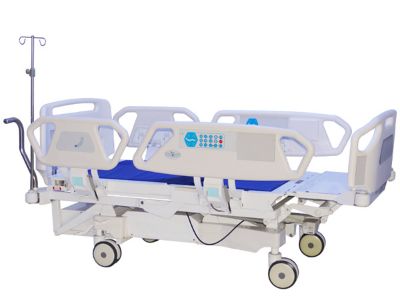
Understanding battery capacity is crucial for ensuring the operational continuity of Electric Hospital Bed. As a key component in hospital furniture, the battery influences how well these beds function, especially in critical situations where power outages or mobility issues arise. B2B buyers, such as purchasing managers and hospital equipment distributors, often prioritize durability, reliability, and overall performance when evaluating medical beds. This article will delve into how battery capacity impacts operational continuity, offering insights that will aid in making informed purchasing decisions.
What to Consider When Choosing Battery Capacity for Medical Beds
When selecting battery capacity for electric medical beds, several factors must be taken into account. First, buyers should consider the typical usage patterns of the beds. For instance, beds used in intensive care units may require a higher battery capacity due to their constant use and the need for reliable power during emergencies.
Next, it’s essential to evaluate the bed's features that can affect power consumption, such as adjustable height and tilt capabilities. Battery capacity is often measured in amp-hours (Ah), which indicates how long the battery can provide power under specific load conditions. A higher Ah rating typically means longer operational time, which is vital in a medical setting where downtime can have serious consequences.
Lastly, it’s important to assess the charging time and battery life cycle. A battery that charges quickly and has a longer life cycle reduces the frequency of replacements and maintenance, ensuring that the medical bed remains operational when needed.
Essential Knowledge for Medical Bed Purchasers
Purchasers of electric medical beds should be well-versed in several key areas to maximize their investment. First, understanding the specifications of the battery—such as its voltage, capacity, and chemistry—is essential. Lithium-ion batteries, for example, are commonly preferred for their high energy density and longer life span compared to lead-acid batteries.
Additionally, buyers should familiarize themselves with the warranty and service agreements offered by manufacturers. A robust after-sales service can significantly impact the longevity and performance of medical beds.
It's also advisable to verify the compatibility of the battery with the specific bed model, as not all batteries are interchangeable. This ensures optimal performance and safety. Finally, consider potential customization options that may better meet specific operational needs, such as extended battery packs for beds used in remote locations.
Understanding Battery Capacity in Medical Bed Pricing
Battery capacity plays a direct role in the pricing of electric medical beds. Generally, beds with higher capacity batteries will have a higher upfront cost. However, it’s important to view this as a long-term investment. A bed with a higher capacity can reduce costs related to downtime and maintenance, particularly in environments where constant operation is critical.
When evaluating pricing, consider the Total Cost of Ownership (TCO), which includes not only the initial purchase price but also ongoing maintenance costs, battery replacements, and potential downtime costs. A bed that may seem more expensive upfront could yield savings over time through reduced operational interruptions.
Moreover, inquire about the availability of replacement batteries and their costs. Some manufacturers might offer more cost-effective solutions or warranties that cover battery replacements, which can influence long-term expenses.
Installation Guidance for Electric Medical Beds with Optimal Battery Life
Proper installation of electric medical beds is essential for maximizing battery life and ensuring operational continuity. Buyers should ensure that the installation is performed by qualified personnel familiar with medical equipment. Incorrect installation can lead to improper battery usage and reduced lifespan.
During installation, pay attention to the power source. Ensure that the bed's power connections are secure and that the battery is correctly connected to the system. It's also beneficial to conduct a thorough inspection post-installation to confirm that all features are functioning correctly.
Regular maintenance checks should include monitoring the battery's health. This involves assessing charge levels and looking for any signs of wear and tear. Following the manufacturer's guidelines for maintenance will help in extending the battery life and ensuring that the bed operates effectively when required.
Common Problems with Battery Capacity and Solutions for Medical Beds
Several common problems can arise concerning battery capacity in electric medical beds. One frequent issue is battery degradation over time, which can lead to reduced performance and operational continuity. To mitigate this problem, it’s crucial to adhere to the manufacturer's recommendations regarding charging cycles and storage conditions.
Another challenge is the improper use of the electric bed for elderly, which can lead to excessive power drain. Educating staff on optimal usage practices and the importance of charging the bed after each use can help maintain battery health.
In cases where batteries fail unexpectedly, having a contingency plan is essential. This could involve keeping a backup battery on hand or having a service agreement that ensures quick replacement. Buyers should also consider the possibility of integrating a power management system that can alert users to low battery levels, thereby preventing operational disruptions.
In summary, understanding how battery capacity influences electric medical bed operational continuity is vital for making informed purchasing decisions. By considering factors such as usage patterns, specifications, pricing implications, installation best practices, and common problems, buyers can ensure they select the right solutions that meet the demands of their healthcare environments.
Table of Contents
- What to Consider When Choosing Battery Capacity for Medical Beds
- Essential Knowledge for Medical Bed Purchasers
- Understanding Battery Capacity in Medical Bed Pricing
- Installation Guidance for Electric Medical Beds with Optimal Battery Life
- Common Problems with Battery Capacity and Solutions for Medical Beds