
 EN


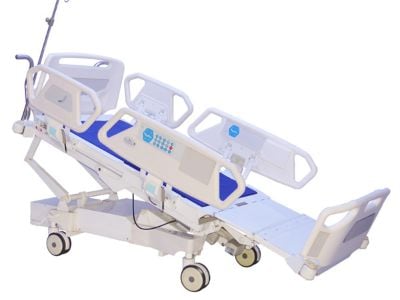
Low-height bed platforms are essential for fall-risk management in healthcare facilities, providing a safe and comfortable environment for patients. These beds are designed to minimize the risk of falls, a significant concern for healthcare providers, particularly in settings such as hospitals and nursing homes. This article will help purchasing managers, healthcare administrators, and product managers understand the key factors to consider when selecting low-height powered bed platforms, ensuring they make informed decisions that enhance patient safety and care quality.
Understanding Low-Height Bed Platforms for Healthcare Applications
Low-height bed platforms are specialized hospital beds that are designed to be lower to the ground than standard beds, typically ranging from 18 to 24 inches in height. This design is particularly beneficial for patients who are at a high risk of falling, as it reduces the distance they could potentially fall, thereby minimizing injury risk.
These beds often come equipped with features such as adjustable heights, side rails, and easy maneuverability to accommodate diverse patient needs. They are commonly utilized in environments that cater to elderly patients, post-operative care, and individuals with mobility impairments. Understanding the application of these low hospital bed is crucial for healthcare facilities aiming to improve patient safety and care outcomes.
How to Choose the Right Low-Height Bed Platform for Your Facility?
Selecting the right low-height bed platform involves several critical considerations:
Patient Needs: Assess the specific requirements of the patient population. Consider factors such as mobility, weight capacity, and any special medical needs.
Functionality: Look for beds that offer adjustable height settings, which can facilitate easier access for caregivers and enhance patient comfort.
Safety Features: Prioritize beds with integrated safety features, such as sturdy side rails and non-slip surfaces, to further mitigate fall risks.
Durability: Choose models made from high-quality materials that can withstand regular use in a healthcare setting. A durable bed will require less frequent replacement, ultimately reducing costs.
Ease of Maintenance: Consider how easy the fully electric bed are to clean and maintain, which is essential in a healthcare environment to prevent infection.
Cost and Warranty: Evaluate the total cost of ownership, including initial purchase price, maintenance, and warranty offerings. A three-year guarantee, as offered by Jiangsu Youngcoln Medical, can provide peace of mind regarding long-term performance.
Evaluating Quality in Low-Height Bed Platforms for Healthcare Use
Quality evaluation is paramount when selecting low-height bed platforms. Key factors to consider include:
Material Specifications: The frame and surface materials should be robust and easy to clean. Stainless steel or high-grade aluminum frames are often preferred for their durability and hygiene properties.
Construction Standards: Verify that the beds comply with relevant healthcare regulations and standards. For instance, CE certification indicates compliance with European health and safety regulations.
Load Capacity: Ensure the bed can support the weight of the intended users. This is particularly important in environments with patients who may have varying body weights.
User Feedback: Collect reviews or testimonials from other healthcare facilities that have used the beds. Feedback can provide insight into the performance and reliability of the products.
Quality Control Processes: Inquire about the manufacturer's quality assurance measures. Established manufacturers like Jiangsu Youngcoln Medical typically implement rigorous testing to ensure product reliability.
Where to Source Reliable Low-Height Bed Platforms Wholesale?
When seeking to source low-height bed platforms wholesale, consider the following avenues:
Manufacturer Direct: Approaching manufacturers directly can often yield the best pricing and customized solutions. Jiangsu Youngcoln Medical, for example, offers competitive prices and excellent after-sales service.
Trade Shows: Attending industry trade shows can provide opportunities to meet multiple suppliers, view products firsthand, and negotiate terms.
Online Marketplaces: Websites dedicated to medical equipment may feature multiple suppliers, allowing for easy comparison of products and prices.
Distributors: Partnering with reputable medical equipment distributors can streamline the procurement process, as they often have established relationships with manufacturers and can provide valuable insights.
Networking: Engaging with industry networks or forums can offer referrals and recommendations for reliable suppliers.
What Buyers Need to Know?
As you prepare for procurement, here are essential points to consider:
Quotation Preparation: When requesting quotes, provide detailed information about your specific needs, including bed types, quantities, and any customization requirements. This ensures accurate pricing and lead time estimates.
Sample Approval: Always request a sample before mass production. Testing a sample under actual conditions can help verify its performance and suitability for your facility's needs.
Quality Checks: Implement quality inspection protocols upon delivery. Check for any defects or discrepancies against your order specifications.
Lead Time Expectations: Discuss lead times upfront, especially if you require a large quantity. Factors such as production capacity and shipping logistics can affect delivery schedules.
Customization Options: Inquire about customization capabilities, such as specific color choices or additional features tailored to your facility's needs.
By understanding these factors, you can make informed decisions that enhance patient safety and operational efficiency in your healthcare facility. Emphasizing quality, safety, and practicality in your selections will ultimately lead to better outcomes for both patients and staff.