
 EN


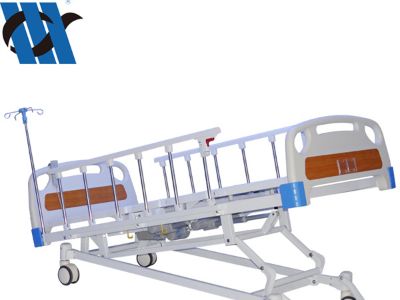
Electrical safety verification is crucial for motorized medical bed systems to ensure patient safety and compliance with regulatory standards. This article will delve into the essential aspects of Electrical Safety Verification of Motorized Medical Bed Systems, addressing key concerns such as cost factors, installation guidance, common electrical safety issues, sourcing options, and a comparison of electrical safety certifications. Understanding these elements will help purchasing managers and healthcare facilities make informed decisions when acquiring these critical medical assets.
Cost Factors to Consider When Sourcing Medical Bed Systems
When sourcing motorized medical bed systems, several cost factors should be evaluated beyond the initial purchase price. First, consider the total cost of ownership, which includes installation, maintenance, and potential replacement parts. For instance, electric medical bed that come with extended warranties or guaranteed service can save costs in the long run, as they reduce the likelihood of unexpected repairs.
Additionally, the electrical safety verification process may incur costs associated with testing and compliance certification, particularly for products sold in regulated markets. Buyers should inquire about the manufacturer’s experience with certification processes, as this can impact lead times and overall pricing. Consideration should also be given to customization options, as specialized features may increase upfront costs but provide better long-term value.
Installation Guidance for Motorized Medical Bed Systems
Proper installation of motorized medical bed systems is vital for ensuring their safe and effective operation. It is recommended that installation be carried out by qualified personnel familiar with the specific model and its electrical components. Before installation, verify that the bed's electrical specifications match the facility’s power supply requirements to prevent any compatibility issues.
Ensure that the installation area is clear of obstructions and that there is adequate access to power outlets. Additionally, it is essential to conduct a thorough inspection of the electrical connections and motors before the medical bedding is put into operation. Proper grounding should be confirmed to minimize the risk of electrical faults. Training staff on the operational features and safety protocols of the bed is also critical to reducing the risk of accidents post-installation.
Common Problems with Electrical Safety in Medical Beds and Solutions
Electrical safety issues can arise in motorized medical beds, leading to significant risks for both patients and healthcare providers. Common problems include faulty wiring, malfunctioning electrical components, and inadequate grounding. To mitigate these risks, regular maintenance and inspections are essential.
Implementing a routine check of electrical components, including connections and motors, can help identify potential issues before they become critical. In cases where problems are detected, it is advisable to engage qualified technicians to perform repairs rather than attempting to fix electrical issues internally, which can pose safety risks.
Moreover, ensuring that all beds comply with relevant electrical safety standards, such as UL or IEC certifications, can help prevent safety hazards. Buyers should also consider the manufacturer's reputation for quality and reliability, as this can be indicative of the overall safety and longevity of their products.
Where to Source Wholesale Medical Bed Systems for Hospitals?
Finding reliable suppliers of motorized medical bed systems is crucial for hospitals seeking to maintain high standards of patient care. Buyers should prioritize manufacturers with established industry reputations and proven experience in producing medical furniture. Jiangsu Youngcoln Medical, for example, offers CE-certified hospital furniture with a track record of compliance with FDA regulations.
When sourcing wholesale, consider attending industry trade shows or medical equipment expos, where manufacturers often showcase their products. This also provides an opportunity to discuss customization options directly and assess the quality of the beds firsthand. Engaging with purchasing cooperatives or group purchasing organizations can also yield competitive pricing and favorable terms.
Buyers should request detailed quotations that include specifications, warranty information, and after-sales support options, ensuring they have a comprehensive understanding of the product before making a commitment.
Comparing Features of Electrical Safety Certifications for Medical Beds
When evaluating motorized medical bed systems, understanding the different electrical safety certifications is essential for ensuring compliance and safety. Various certifications, such as CE, UL, and IEC, indicate that the product meets specific safety standards.
The CE mark signifies compliance with European health, safety, and environmental protection standards, which is critical for beds sold within the EU. The UL certification indicates that the product has been tested for safety by Underwriters Laboratories, a widely recognized safety organization in the United States. IEC standards evaluate the electrical safety of medical equipment on an international level, ensuring that products are safe for use across different markets.
Buyers should compare these certifications based on their target markets and regulatory requirements. It is advisable to consult with the manufacturer to understand the implications of each certification and how it relates to the specific application of the medical bed within their facilities.
By prioritizing electrical safety verification and selecting certified products, healthcare facilities can enhance patient safety while ensuring compliance with regulatory standards.
Table of Contents
- Cost Factors to Consider When Sourcing Medical Bed Systems
- Installation Guidance for Motorized Medical Bed Systems
- Common Problems with Electrical Safety in Medical Beds and Solutions
- Where to Source Wholesale Medical Bed Systems for Hospitals?
- Comparing Features of Electrical Safety Certifications for Medical Beds