
 EN


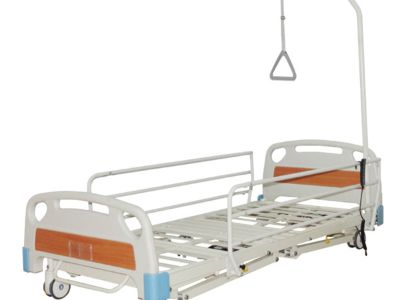
Electric bed position adjustment is a critical feature in modern healthcare settings, particularly for pressure injury prevention. By allowing caregivers to easily alter a patient's position, electric beds can significantly enhance comfort and reduce the risk of pressure sores. This article aims to address the main concerns of B2B buyers such as product specifications, manufacturing quality, and cost factors while providing insights into the benefits of full electric bed position adjustments in patient care.
How Electric Bed Position Adjustments Enhance Patient Comfort?
Electric bed position adjustments provide a flexible solution for enhancing patient comfort and care. By enabling precise positioning, these beds help redistribute pressure points, which is crucial in preventing pressure injuries. When patients can be adjusted to an optimal angle, it not only improves their comfort but also facilitates easier access for healthcare providers during treatment and monitoring.
The ability to adjust head and foot sections independently allows for tailored support, accommodating individual patient needs. For instance, elevating the head of the bed can assist patients with respiratory issues, while elevating the legs can enhance circulation. This adaptability can be especially beneficial in long-term care facilities and hospitals where patients may spend extended periods in bed.
Furthermore, electric adjustments can be operated easily with a remote control or bedside panel, which reduces the physical strain on caregivers. This ease of use contributes to a more efficient workflow, allowing healthcare staff to focus on patient care rather than manual bed adjustments.
Comparing Electric Bed Features for Optimal Pressure Relief
When selecting electric hospital beds, it's essential to compare various features that contribute to pressure relief. Key specifications to consider include:
Weight Capacity: Ensure the bed can support the maximum weight of the patient, which may vary based on hospital settings and patient demographics.
Adjustable Positioning: Look for beds that offer multiple adjustment points, including head, foot, and height adjustments, to provide the best patient positioning.
Mattress Compatibility: The right mattress can significantly impact pressure relief. Consider fully electric bed designed to accommodate specialized pressure-relieving mattresses, which can enhance comfort and support.
Material Quality: Durable materials that are easy to clean can improve hygiene and longevity. Look for beds made from high-quality, non-porous materials.
By evaluating these features, purchasing managers can make informed decisions that align with patient care objectives and budget considerations.
Reliable Suppliers of Electric Hospital Beds
Finding a reliable supplier is crucial in ensuring consistent quality and service for electric hospital beds. Jiangsu Youngcoln Medical, a manufacturer with over 12 years of experience, offers CE-certified products that meet FDA regulations, ensuring compliance and safety in healthcare environments.
When evaluating potential suppliers, consider the following:
Reputation: Research their history and customer reviews. A supplier with a solid reputation is more likely to deliver high-quality products.
After-Sales Support: Reliable after-sales service can be an indicator of a supplier's commitment to customer satisfaction. Ensure they provide adequate support for installation, maintenance, and warranty claims.
Customization Capabilities: Some healthcare facilities may require specific configurations or features. A supplier with flexible manufacturing capabilities can better meet these needs.
By partnering with reputable suppliers, healthcare facilities can ensure they receive beds that enhance patient care and comfort.
Understanding the Cost Factors for Electric Beds in Bulk Orders
When purchasing electric beds in bulk, several cost factors should be considered to optimize budget allocation.
Unit Price: Bulk orders often benefit from reduced unit pricing. However, it's essential to clarify the minimum order quantity (MOQ) with suppliers to maximize savings.
Shipping Costs: Consider the logistics of delivering large orders. Shipping costs can vary significantly based on distance and shipping methods. Ensure to factor these into the total cost.
Customization Fees: If specific features or configurations are required, additional fees may apply. Clarify customization capabilities and associated costs with the supplier early in the purchasing process.
Warranty and Service Costs: Some suppliers may offer extended warranties for bulk orders, which can provide added value. Assess the total cost of ownership, including maintenance and potential replacement parts, over the bed's lifecycle.
Understanding these factors will enable purchasing managers to make informed financial decisions that align with their facility's budgetary constraints while ensuring patient care standards are upheld.
What to Look for in Electric Bed Manufacturing?
When evaluating electric bed manufacturers, several key aspects can help ensure product quality and reliability.
Certifications: Verify that the manufacturer holds relevant certifications, such as CE and FDA approvals, which indicate compliance with safety and quality standards.
Quality Control Processes: Inquire about the manufacturer's quality assurance protocols. Robust quality control measures during production can lead to fewer defects and a more reliable product.
Production Equipment: Assess the technology and machinery used in manufacturing. Advanced equipment often results in higher precision and better finished products.
Material Sourcing: Understand the materials used in production. High-quality, durable materials will contribute to the bed's longevity and patient safety.
Customization Options: Check if the manufacturer can accommodate specific design requests or modifications. Customization may be necessary for unique healthcare environments or patient needs.
By focusing on these manufacturing aspects, B2B buyers can select electric beds that not only meet their operational requirements but also enhance patient outcomes through superior design and functionality.