
 EN


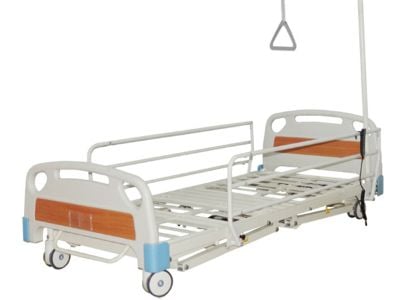
Choosing the right IP rating for hospital electric bed control systems is crucial for ensuring safety, functionality, and longevity in demanding healthcare environments. As a B2B buyer in the medical equipment sector, understanding the significance of the Ingress Protection (IP) rating will help you make informed decisions. This article will guide you through key considerations, helping you evaluate suitable options for your hospital's electric bed control systems
How to Choose the Right IP Rating for Hospital Bed Controls
Selecting the appropriate IP rating for hospital electric bed for elderly control systems involves assessing the environmental conditions these systems will face. The IP rating comprises two digits: the first indicates protection against solid objects (like dust), and the second denotes protection against liquids (like water
In a hospital setting, the risk of exposure to liquids from cleaning processes and the potential for dust accumulation are significant. For instance, an IP rating of IPX4 indicates protection against water splashes from any direction, which can be sufficient for areas that are regularly cleaned with liquid solutions. However, for locations where systems may be exposed to more direct water exposure, such as in surgical wards or patient bathing areas, an IP rating of IPX5 or higher may be warranted
Additionally, consider the operational temperature and humidity levels, which can affect the performance of electronic controls. Ensuring that the selected IP rating aligns with your hospital's specific cleaning protocols and environmental conditions will enhance the durability and reliability of the bed control systems
Where to Source Reliable Suppliers for Hospital Bed Control Systems
Finding dependable suppliers for hospital electric bed control systems requires thorough research. Start by identifying manufacturers with a proven track record in the medical furniture sector. Look for companies that have certifications such as CE and FDA registration, as these indicate adherence to strict safety and quality standards
Participating in industry trade shows and networking events can also help you connect with reputable suppliers. These venues often showcase the latest innovations in medical equipment, allowing you to compare products directly. Additionally, consider reaching out to industry associations or online forums where purchasing managers and engineers share suppliers' experiences and recommendations
Finally, request samples and conduct product assessments before making significant purchases. This hands-on approach will allow you to evaluate the functionality and quality of the electric bed control systems, ensuring they meet your hospital's requirements
Cost Factors of IP Rated Electric Bed Control Systems for Hospitals
The cost of IP rated electric bed medical control systems can vary significantly based on several factors. Firstly, the IP rating itself plays a crucial role in pricing; systems with higher protection levels against dust and moisture typically involve more advanced materials and manufacturing processes, leading to elevated costs
Secondly, consider the complexity of the control systems. More advanced features, such as programmable settings or integrated patient monitoring, can increase the price. Customization options, such as unique designs or specific functionalities tailored to your hospital's needs, may also contribute to higher costs
Additionally, volume discounts can impact pricing. Larger orders often qualify for better rates, making it essential to evaluate your hospital's purchasing strategy. Always compare quotes from multiple suppliers while considering the total cost of ownership, which includes maintenance, warranty provisions, and after-sales support
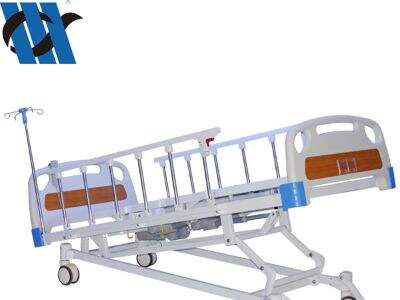
Technical Specifications of IP Rated Electric Bed Control Systems
When evaluating IP rated electric bed control systems, several technical specifications should be prioritized
IP Rating: As discussed, the IP rating indicates the level of protection against dust and moisture. Select a rating based on the specific use case and environment
Material Construction: The materials used in the control systems must be durable and resistant to common cleaning agents found in hospital settings. Look for components made from high-quality plastics or metals that can withstand frequent sanitization without degrading
Electrical Specifications: Ensure that the control system complies with relevant electrical standards and can operate within the hospital's electrical infrastructure. Consider voltage requirements and compatibility with existing systems
User Interface: A user-friendly interface is crucial for hospital staff. Evaluate the ease of operation and clarity of controls, as this directly affects patient care efficiency
Warranty and Support: Assess the warranty period and the manufacturer’s commitment to after-sales support. A robust warranty often reflects the manufacturer’s confidence in the product's durability
Understanding these specifications will help you make an informed decision when sourcing electric bed control systems for your hospital
Installation Guidance for IP Rated Electric Bed Control Systems
Proper installation of IP rated electric bed for patient control systems is essential for optimal performance and longevity. Begin by ensuring that all installation personnel are trained and familiar with the specific requirements of the equipment. This includes understanding the electrical and mechanical aspects of the systems
Before installation, review the manufacturer's guidelines thoroughly. This documentation typically includes important information on environmental conditions, mounting requirements, and electrical connections. Pay special attention to the sealing methods used to maintain the specified IP rating; any mistakes in installation can compromise the system's protective capabilities
Testing the system after installation is also critical. Conduct a thorough check of all electronic controls to ensure they function correctly and that the IP rating is maintained. Establish a regular maintenance schedule to inspect seals and connections, as this will help prolong the lifespan of the control systems and ensure continued compliance with safety standards
By following these guidelines, you can ensure that your hospital's electric bed control systems are installed correctly and function as intended, ultimately enhancing patient care
Table of Contents
- How to Choose the Right IP Rating for Hospital Bed Controls
- Where to Source Reliable Suppliers for Hospital Bed Control Systems
- Cost Factors of IP Rated Electric Bed Control Systems for Hospitals
- Technical Specifications of IP Rated Electric Bed Control Systems
- Installation Guidance for IP Rated Electric Bed Control Systems