
 EN


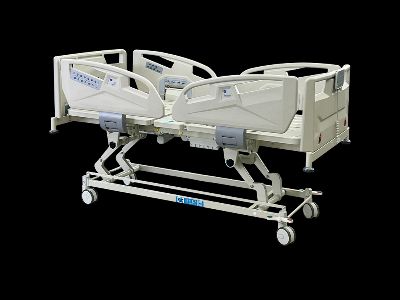
Electric medical beds play a crucial role in the healthcare industry, providing comfort and support for patients while ensuring ease of use for medical staff. One essential component of these beds is the height adjustment mechanisms, which allow caregivers to modify the bed's height to meet specific patient needs and facilitate better access. This article will explore the intricacies of electric electric medical bed height adjustment mechanisms and structural requirements, addressing common buyer concerns and offering guidance for selecting the right product for your healthcare facility.
Understanding Electric Medical Bed Height Adjustment Mechanisms
Electric medical bed height adjustment mechanisms are typically powered by electric motors that enable smooth and precise height modifications. These mechanisms can vary in design, with some utilizing linear actuators while others may rely on screw drives or belt-driven systems. The choice of mechanism affects not only the functionality but also the durability and maintenance requirements of the bed. When evaluating height adjustment mechanisms, consider factors such as the weight capacity, speed of adjustment, and noise levels during operation. For example, a mechanism with a higher weight capacity may provide added stability for heavier patients, while a quieter motor can enhance the patient experience in sensitive environments like intensive care units. Additionally, the system should comply with relevant safety standards, ensuring that it operates reliably and securely under various conditions.
How to Choose the Right Electric Medical Bed for Your Needs?
Selecting the right electric medical bed involves assessing several critical factors tailored to your facility's specific requirements. Start by considering the bed's intended use, whether for general ward care, rehabilitation, or critical care settings. This will influence the necessary features and specifications. Next, evaluate the height adjustment range. A wider range allows for greater flexibility in accommodating patients of varying heights and needs. Additionally, consider the bed's dimensions and whether they fit within your existing space constraints. Material selection is also vital; beds constructed from durable, easy-to-clean materials can enhance longevity and hygiene in healthcare settings. Look for beds that offer customization options, such as integrated side rails or specialized mattress supports, to meet diverse patient needs. Finally, factor in compliance with regulatory and safety standards. Products certified by organizations such as the FDA and CE can provide assurance of quality and performance.
Installation Guidance for Electric Medical Bed Height Adjustment Mechanisms
Proper installation of electric medical bed height adjustment mechanisms is critical to ensure optimal functionality and safety. Start by reviewing the manufacturer’s installation instructions, which should detail specific requirements for mounting the motor and adjusting the mechanism. Ensure that the bed frame is level and securely anchored to avoid any movement during use. Pay attention to the wiring connections for the electric motor, ensuring they are properly insulated and secured to prevent wear over time. Testing the height adjustment mechanism after installation is essential. Run the adjustment through its full range to confirm smooth operation and check for any unusual noises or resistance. Regular maintenance checks should be scheduled to ensure long-term reliability, addressing any wear or malfunction before they impact patient care.
Applications of Electric Medical Beds in Healthcare Settings
Electric medical beds are versatile and essential in various healthcare settings, including hospitals, rehabilitation centers, and nursing homes. In acute care environments, these beds facilitate quick adjustments for automatic medical bed procedures and enhance patient comfort during recovery. In rehabilitation settings, electric medical beds aid in physical therapy by allowing patients to be positioned comfortably for exercises. The height adjustment feature enables therapists to work more effectively, adapting the bed to the needs of the patient and reducing the risk of injury to both parties. In long-term care facilities, electric medical beds assist caregivers in providing optimal care while minimizing physical strain. Features such as adjustable head and foot sections, as well as integrated safety rails, enhance patient security and comfort.
Comparing Electric Medical Bed Features for Optimal Procurement Decisions
When procuring electric medical beds, a comparison of features is essential to ensure you make an informed decision. Key features to consider include:
Height Adjustment Range: A broader adjustment range enhances versatility for patient care.
Weight Capacity: Ensure the bed can safely accommodate the maximum weight of your patient demographic.
Material Quality: Look for beds made from durable, easy-to-clean materials to maintain hygiene standards.
Power Source: Consider whether the bed operates on battery backup, which can be crucial during power outages.
Additional Features: Options such as built-in scales, IV poles, and adjustable side rails can add significant value.
Before finalizing your purchase, request detailed specifications from your supplier, and consider asking for a demonstration or a trial period. This will allow you to assess the bed's performance in a real-world setting, ensuring it meets your operational needs and patient care standards. By understanding the various aspects of electric electric medical beds for home height adjustment mechanisms and structural requirements, you can make informed decisions that enhance patient care and caregiver efficiency in your healthcare facility.
Table of Contents
- Understanding Electric Medical Bed Height Adjustment Mechanisms
- How to Choose the Right Electric Medical Bed for Your Needs?
- Installation Guidance for Electric Medical Bed Height Adjustment Mechanisms
- Applications of Electric Medical Beds in Healthcare Settings
- Comparing Electric Medical Bed Features for Optimal Procurement Decisions