
 EN


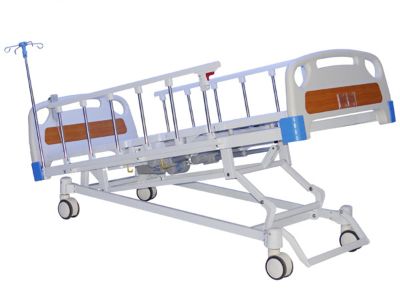
Designing medical hospital beds for reliable long-term electrical operation is essential for healthcare facilities aiming for efficiency and patient comfort. As a purchasing manager or engineer, your primary concerns will likely revolve around durability, electrical reliability, compliance with safety standards, and overall cost-effectiveness. This article will help you understand the key specifications, selection criteria, sourcing options, common issues, and the advantages of materials used in the design of electric medical bed.
Key Specifications for Buyers
When selecting hospital beds, buyers should focus on several key specifications that directly impact their performance and reliability. These include:
Weight Capacity: Ensure the bed can safely support the maximum weight of patients, typically ranging from 250 to 600 pounds, depending on the model.
Electrical Components: Look for beds with reliable electrical systems, including motors and wiring that conform to safety standards and can withstand long-term use.
Adjustability: Hospital beds should offer multiple positions for patient comfort and medical needs, such as height adjustment and backrest incline.
Material Quality: Consider frames made from durable steel or aluminum for strength and longevity, along with mattresses that offer adequate support and comfort.
Safety Features: Check for features such as side rails, anti-trap mechanisms, and emergency power options to ensure patient safety.
Certifications: Look for CE and FDA certifications that indicate compliance with international safety and quality standards.
These specifications help ensure that the hospital bed will meet the operational demands of a healthcare environment while providing safety and comfort for patients.
How to Choose Reliable Hospital Beds for Long-Term Electrical Use
Selecting hospital beds designed for long-term electrical operation involves evaluating several factors:
Motor Quality: Look for beds equipped with high-quality, low-noise electric motors that are rated for continuous use. A reliable motor system is crucial for the automatic medical bed adjustability and longevity.
Control Systems: Ensure the control panels are user-friendly and durable, with clear labeling and locking features to prevent accidental adjustments.
Wiring and Connections: Assess the quality of wiring and connections. High-quality, insulated wiring is vital to minimize the risk of electrical failure or fire hazards.
Maintenance Requirements: Consider the ease of maintenance for electric components. Beds that allow for easy access to motors and wiring simplify servicing and reduce downtime.
Warranty and Support: Evaluate the warranty period and after-sales support offered by the manufacturer. A longer warranty, like Jiangsu Youngcoln Medical's three-year guarantee, indicates confidence in the product's durability.
By focusing on these aspects, buyers can ensure they choose hospital beds that will remain operational over the long term, minimizing the risk of electrical failures.
Where to Source Durable Hospital Beds for Your Projects
Sourcing durable hospital beds requires careful consideration of potential suppliers:
Manufacturer Reputation: Choose suppliers with a strong reputation in the medical furniture industry. Jiangsu Youngcoln Medical, with over 12 years of experience, is recognized for producing durable and reliable hospital furniture.
Certifications and Compliance: Verify that suppliers provide CE and FDA certifications for their products. This ensures that the medical bed meet necessary safety and quality standards.
Customization Capabilities: Assess whether the manufacturer can accommodate specific customization requests, such as bed size, features, or materials, to meet your project's unique needs.
After-Sales Support: Investigate the level of after-sales support offered, including warranty terms, maintenance guidance, and availability of spare parts.
Pricing and MOQ: Compare pricing structures and minimum order quantities (MOQs) from different suppliers to find the best fit for your budget and project scale.
By focusing on these sourcing criteria, buyers can identify suppliers who offer high-quality, durable hospital beds that meet their operational requirements.
Common Problems with Hospital Beds and Effective Solutions
Common issues faced with hospital beds can impact their performance and longevity. Here are some frequent problems and their solutions:
Electrical Failures: This can occur due to poor-quality components or inadequate maintenance. Regular inspections and using beds from reputable manufacturers can mitigate this risk. Choose beds with robust electrical systems designed for heavy usage.
Mechanical Wear and Tear: Over time, moving parts can wear out. Opt for beds that allow for easy replacement of parts and offer maintenance services.
Mattress Compatibility Issues: Not all mattresses fit all bed models. Ensure compatibility by checking manufacturer specifications or selecting beds that come with recommended mattresses.
Safety Features Malfunction: Side rails and locking mechanisms may fail. Regular maintenance checks and choosing beds with reliable safety features can help prevent accidents.
Limited Adjustability: Some beds may not provide sufficient positions for patient comfort. Prioritize models with extensive adjustability to cater to various medical needs.
Understanding these common problems and their solutions can help buyers make informed choices and maintain hospital beds effectively.
Advantages of Materials Used in Medical Hospital Bed Design
The materials used in the design of medical hospital beds significantly impact their functionality and longevity:
Steel Frames: Steel is commonly used for frames due to its strength and durability. It can withstand heavy loads and offers stability, making it ideal for hospital environments.
Aluminum Components: Aluminum is lightweight yet strong, making it a good choice for parts that require mobility while maintaining structural integrity.
High-Density Foam: For mattresses, high-density foam provides excellent support and comfort, reducing the risk of pressure sores for patients who are bedridden.
Powder-Coated Finishes: This finish not only enhances the aesthetic appeal but also provides a protective layer that resists scratches and corrosion, increasing the bed's lifespan.
Non-Latex and Hypoallergenic Materials: These materials are essential in healthcare settings to prevent allergic reactions and ensure patient safety.
By understanding the advantages of these materials, buyers can make informed decisions that ensure both patient comfort and bed durability in their healthcare facilities.