
 EN


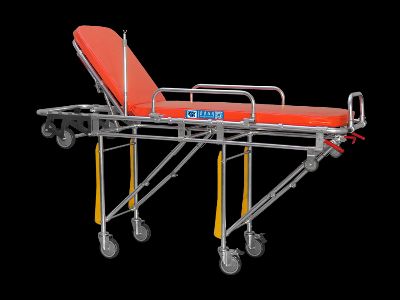
When selecting electric actuators for multi-position medical bed systems, it's essential to understand the specific requirements that ensure reliability, safety, and functionality. This article delves into the critical aspects of electric actuator selection, helping purchasing managers and engineers make informed decisions. Key concerns for B2B buyers include actuator performance, compatibility with existing systems, cost factors, and potential operational issues. By the end of this article, readers will gain valuable insights into selecting the right electric actuator for their medical bed systems.
How to Choose the Right Electric Actuator for Medical Beds?
Selecting the appropriate electric actuator for multi-position medical bed systems involves several key considerations. First, assess the actuator's performance specifications, including load capacity, speed, and stroke length. The actuator must support the weight of patients and any additional equipment, while also providing precise movement for various bed positions.
Compatibility with the bed design is another critical factor. Ensure that the actuator's mounting dimensions and electrical specifications align with the bed’s architecture. It's also advisable to consider the actuator's control system and whether it integrates seamlessly with existing medical equipment or requires a bespoke solution.
Lastly, investigate the manufacturer's experience and reputation. A supplier with a solid track record in producing durable hospital furniture, such as Jiangsu Youngcoln Medical, can provide valuable insights and reliable products backed by certifications and warranties.
Key Specifications for Multi-Position Medical Bed Actuators
When evaluating electric actuators for medical beds, focus on the following specifications:
Load Capacity: Ensure the actuator can handle the maximum weight it will encounter, including the patient and any medical devices. A common threshold is a load capacity of 600-800 pounds for hospital beds.
Stroke Length: Depending on the bed's design, the stroke length should accommodate the full range of motion required for patient positioning. Common stroke lengths range from 6 to 12 inches.
Speed: The actuator's speed affects how quickly a medical bed can adjust. A typical operating speed is around 15-30 mm/s, balancing patient comfort and operational efficiency.
Duty Cycle: This specification indicates how often the actuator can operate without overheating. A duty cycle of 20% is typical for medical applications, meaning the actuator should not run for more than 2 minutes within a 10-minute period.
Control Method: Determine whether the actuator will be operated via a manual switch, remote control, or integrated into a more extensive system. Compatibility with existing control systems is crucial for seamless operation.
Evaluating these specifications ensures the selected actuator meets the necessary performance standards for medical applications.
Where to Source Reliable Electric Actuators for Wholesale Orders?
Sourcing reliable electric actuators for multi-position medical bed systems begins with identifying reputable manufacturers. Look for suppliers with a proven history in the medical furniture industry, like Jiangsu Youngcoln Medical. Consider factors such as:
Certifications: Verify if the manufacturer holds relevant certifications, like CE and FDA registrations, which indicate compliance with safety and quality standards.
Quality Control Processes: Investigate the manufacturer's quality control measures, such as routine testing and inspection of components, to ensure consistent product standards.
Customization Capabilities: Depending on your specific requirements, you may need actuators tailored for unique applications. A manufacturer that offers customization can better meet your needs.
Competitive Pricing: Obtain quotes from multiple suppliers to compare pricing. Ensure that the cost reflects the quality and reliability of the actuators.
Initiating discussions with potential suppliers will help clarify any questions regarding specifications, lead times, and minimum order quantities (MOQ).
Common Problems with Electric Actuators and Effective Solutions
Electric actuators can encounter several issues during operation. Understanding these problems and their solutions is critical for maintaining medical bed performance:
Overheating: If an actuator runs continuously beyond its duty cycle, it may overheat, causing failure. It's essential to adhere to the manufacturer's recommended duty cycle and allow cooling periods.
Mechanical Failures: Misalignment during installation can lead to increased wear on components. Ensure proper alignment and secure mounting to prevent mechanical issues.
Electrical Failures: Power surges or incorrect voltage can damage the actuator. Implement surge protection and verify that the actuator's voltage requirements match the power supply.
Control System Malfunctions: A malfunctioning control system can lead to erratic actuator behavior. Regular maintenance and testing of the control system can help identify issues before they become problematic.
Addressing these common problems proactively can enhance the longevity and reliability of electric actuators in multi-position medical beds for home bed systems.
Cost Factors to Consider When Purchasing Electric Actuators
When budgeting for electric actuators for medical bed systems, several cost factors need consideration:
Initial Purchase Price: This is the base cost of the actuator. While finding a competitive price is important, prioritize quality to avoid future replacement costs.
Customization Fees: If you require specific modifications or custom features, additional costs may apply. Clarify these fees upfront with the manufacturer.
Shipping and Handling: Depending on the supplier's location and your delivery requirements, shipping costs can vary significantly. Factor in these expenses when budgeting.
Warranty and Service Costs: Consider the warranty period and any associated service costs. A longer warranty may indicate higher confidence in product durability, which can justify a higher initial investment.
Maintenance Costs: Regular maintenance is crucial for medical bedding actuator longevity. Assess the expected maintenance costs over the actuator's lifecycle when evaluating total cost of ownership.
By understanding these factors, buyers can make informed decisions that align with their financial constraints while ensuring the reliability of the actuators used in their medical bed systems.
Table of Contents
- How to Choose the Right Electric Actuator for Medical Beds?
- Key Specifications for Multi-Position Medical Bed Actuators
- Where to Source Reliable Electric Actuators for Wholesale Orders?
- Common Problems with Electric Actuators and Effective Solutions
- Cost Factors to Consider When Purchasing Electric Actuators